Jaipur, affectionately known as the Pink City, stands as one of India’s most captivating travel destinations. As the capital of Rajasthan, it bridges the gap between centuries-old royal heritage and the energetic pace of modern Indian life. Whether you are drawn by majestic hilltop fortresses, intricate marble palaces, bustling spice markets, or rich cultural traditions, Jaipur delivers an unforgettable travel experience. For travelers questioning if Jaipur deserves a prime spot on their Indian itinerary, the resounding answer is yes.
What Makes Jaipur Truly Special?
Founded in 1727 by Maharaja Sawai Jai Singh II, Jaipur was India’s first planned city. Its distinctive pink-terracotta hue was painted in 1876 to welcome the Prince of Wales, a tradition that remains preserved by law in the historic Old City. Beyond its iconic color, Jaipur forms a vital leg of the famous Golden Triangle tourist circuit alongside Delhi and Agra. It offers travelers an authentic glimpse into the lavish lifestyle, architectural genius, and heroic sagas of the Rajput dynasty.
Must-Visit Sightseeing Landmarks in Jaipur
1. Amer Fort (Amber Palace)
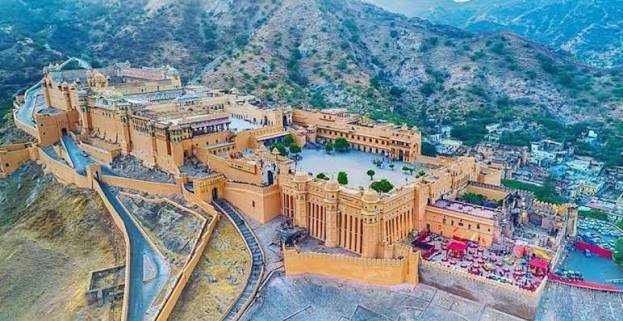
Located roughly 11 kilometers outside the city center, Amer Fort commands attention atop the rugged Aravalli Hills. Constructed from yellow and pink sandstone, this UNESCO World Heritage Site overlooks the peaceful Maota Lake. Stepping inside reveals a maze of opulent courtyards, manicured gardens, and ornate halls.
The undisputed highlight of Amer Fort is the Sheesh Mahal (Palace of Mirrors). Its walls and ceilings are embedded with thousands of tiny concave mirror tiles that reflect even a single candle flame into a sparkling galaxy. Exploring the fort early in the morning allows you to enjoy the cool breeze and avoid peak crowds.
2. Hawa Mahal (The Palace of Winds)
Hawa Mahal is arguably Jaipur’s most famous architectural emblem. Constructed in 1799 by Maharaja Sawai Pratap Singh, this five-story red and pink sandstone structure resembles a intricate crown or a giant honeycomb. Its facade features 953 small latticed windows called jharokhas.
These windows served a dual purpose: they created a natural cooling effect through the Venturi passage and allowed royal ladies to observe daily street festivities without being seen by the public. The best perspective for photography is from across the street at sunrise, when the morning light hits the sandstone.
3. The City Palace & Jantar Mantar
Situated in the heart of the Old City, the City Palace complex remains the official residence of Jaipur’s royal family. It displays a blend of Mughal, Rajput, and European architectural influences. Visitors can tour the Mubarak Mahal, the Maharani Palace armory museum, and the famous Pritam Niwas Chowk, featuring four painted gates representing the four seasons.
Directly adjacent to the City Palace lies Jantar Mantar, an 18th-century astronomical observatory built by Jai Singh II. Home to 19 architectural astronomy instruments—including the world’s largest stone sundial—this UNESCO World Heritage Site accurately measures time and tracks celestial bodies.
4. Nahargarh Fort & Jal Mahal
Perched on the edge of the Aravalli hills, Nahargarh Fort offers sweeping panoramic views across the entire expanse of Jaipur. It is widely considered the ultimate spot in the city to watch the sunset over the horizon.
En route between the city center and Amer Fort sits Jal Mahal (The Water Palace). Floating serenely in the middle of Man Sagar Lake, this four-story submerged palace creates a picturesque backdrop, especially in the evening when illuminated against the dark waters.
How Many Days Do You Need in Jaipur?
While a day trip offers a quick glimpse of the main monuments, taking time to immerse yourself in the culture makes a world of difference. Reserving a dedicated Jaipur three days tour allows you to comfortably explore the major forts, wander through traditional bazaars like Johari and Bapu Bazaar, sample authentic Rajasthani food such as Dal Baati Churma, and experience local artisanal crafts.
Practical Tips for Your Jaipur Trip
- Best Time to Visit: October to March offers pleasant, cool weather that is ideal for outdoor sightseeing and fort exploration.
- Local Shopping: Don’t leave without exploring the Old City markets for blue pottery, block-printed textiles, handcrafted leather jutis, and silver jewelry.
- Guided Tours: Working with an experienced tour operator in Rajasthan ensures smooth transfers, knowledgeable local guides, and pre-arranged entry tickets to avoid long lines at major sites.
- Extended Travel: If you have extra travel days, consider combining your visit with a broader Rajasthan holiday tour to discover the blue alleyways of Jodhpur, the serene lakes of Udaipur, and the golden sand dunes of Jaisalmer.
Jaipur is far more than just a gateway to Rajasthan—it is a living museum of color, history, and royal grandeur. From the hilltop ramparts of Amer Fort to the buzzing lanes of the Old City, Jaipur offers an enchanting royal escape that every traveler should experience at least once. Plan your journey with Rajasthan Yatra to experience the best of royal hospitality and cultural heritage.