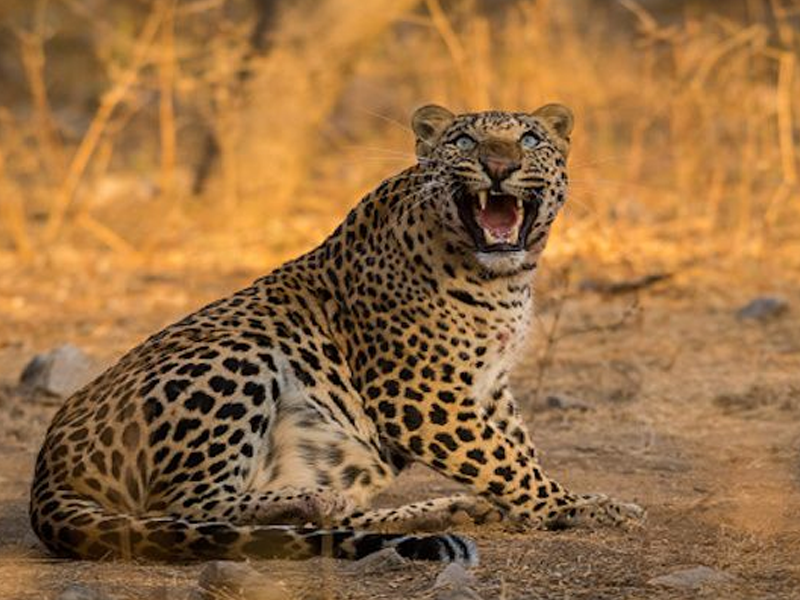
A drive from Udaipur into the granite heartlands of Pali district transitions quickly from palace-fringed lakes to jagged boulder formations. Jawai stands out across the Indian wilderness circuit for an extraordinary ecological phenomenon: wild leopards thriving alongside the local Rabari pastoral community without fences or territorial boundaries. For wildlife enthusiasts planning a quick weekend getaway, an organized road trip connects Rajasthan’s regal culture with one of the most reliable feline tracking territories in Asia.
Planning the Drive from Udaipur to Jawai
The road journey covers approximately 135 to 150 kilometers depending on your starting point in Udaipur. Taking the route via NH27 and connecting through Pindwara toward Sumerpur offers smooth tarmac, scenic ghat stretches, and minimal traffic delays. A morning departure around 6:00 AM allows you to reach the wilderness corridor in under three hours, ensuring ample time to settle in before the late afternoon wildlife excursions commence.
Private SUVs and self-drive vehicles manage the terrain with ease, though once inside the Jawai terrain, standard road vehicles must give way to customized 4×4 open safari jeeps specifically equipped to negotiate steep rock faces and sandy riverbeds.
Day 1: Granite Hills, Riverbeds, and Twilight Tracking
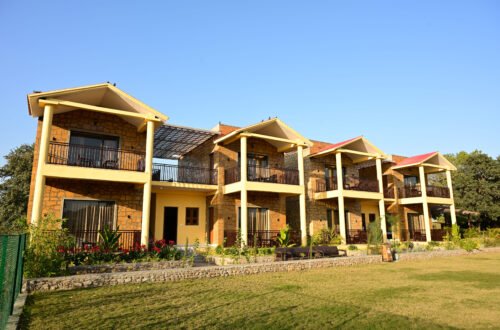
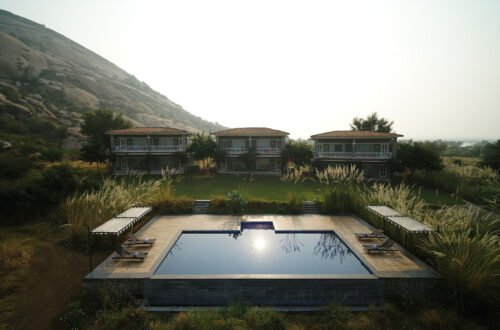
Checking in at a dedicated luxury resort in Jawai provides an ideal base where responsible tourism practices match high comfort standards. Local naturalists recommend hydrating well and relaxing through the peak midday heat, as leopards generally rest inside deep rock shelters during the warmest hours.
By 3:30 PM, prepare for your initial foray into the granite kopjes. The terrain in Jawai is distinct from the dense forests of central India. Rather than thick canopy cover, tracking here relies on scan-and-spot techniques along massive monolithic caves. Rabari herdsmen, dressed in iconic red turbans and white angrakhas, frequently alert trackers to fresh pugmarks or visual confirmations near grazing routes.
As twilight descends, granite retains heat from the day, drawing felines out onto sun-warmed perches. Safaris usually conclude with hot beverages served on a high vantage point overlooking the scrubland, followed by a quiet drive back beneath unpolluted, star-studded desert skies.
Day 2: Morning Waterfowl, Jawai Dam, and Departure
The morning safari begins before sunrise, around 5:30 AM in summer or 6:15 AM in winter. Dawn offers the highest probability of spotting solitary leopards returning from nocturnal hunting rounds. Additionally, early mornings present unmatched birding opportunities around the Jawai Bandh reservoir. Built across the Jawai River, this massive water body hosts migratory waterfowl between October and March, alongside substantial populations of mugger crocodiles basking on sandy shores.
Participating in a guided Jawai leopard safari with veteran local trackers enhances animal welfare and sighting accuracy. Respectable operators maintain strict protocols: keeping safe distances, avoiding unnecessary engine idling, and preserving the serene silence that defines this unique landscape.
Following a late breakfast at your camp, spend the remaining hours visiting a nearby Rabari settlement to gain insight into the centuries-old cultural harmony that protects these predators. A relaxed departure after lunch returns you to Udaipur well before dinner.
Essential Packing List for a Jawai Expedition
Pack lightweight clothing in neutral earth tones like khaki, olive green, beige, or slate gray. Bright garments attract unwanted attention and disrupt wildlife sightings. Carry a fleece jacket or windbreaker for morning drives, as open jeeps generate considerable wind chill during pre-dawn hours. Bring a dedicated camera body with a telephoto lens ranging between 200mm and 500mm, as rocky outcrops frequently require substantial focal reach. Equip yourself with a wide-brim hat, polarized sunglasses, high-protection sunscreen, and personal dust masks for breezy trail segments. Ensure sturdy closed-toe walking shoes or boots are worn for safe foot placement around sandy or gravel-heavy campsite areas.
Best Season to Travel
While Jawai remains accessible all twelve months of the year, the optimal travel window spans from October through April. Winter mornings are crisp and cool, with daytime temperatures hovering comfortably around 22°C to 28°C. During these months, the reservoir attracts thousands of migratory birds, including bar-headed geese, flamingos, and demoiselle cranes, making it a multifaceted trip for birders and landscape photographers alike.
Pre-monsoon months like May and June bring warmer conditions, yet offer excellent predator tracking as water sources shrink and visibility increases along dry river channels. Regardless of the month you choose, respecting local conservation codes and traveling mindfully ensures that Jawai’s fragile, human-wildlife balance continues to endure.