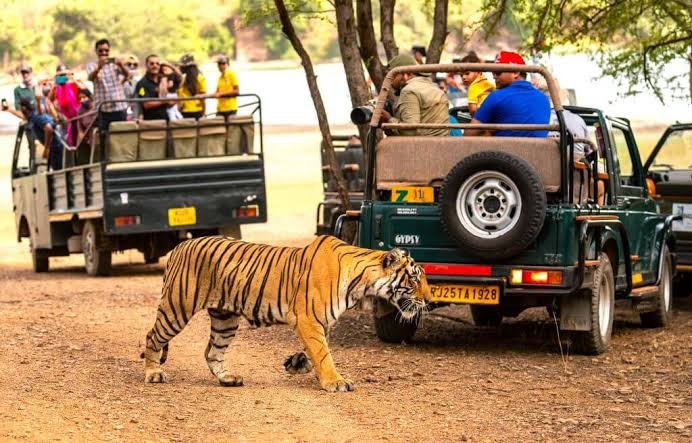
Sawai Madhopur serves as the primary gateway to Rajasthan’s wild interior, where raw nature blends seamlessly with medieval Rajput history. While renowned across the globe for its tiger population, the district also preserves some of northern India’s most formidable citadel architecture and peaceful aquatic habitats. Planning a trip here requires balancing early-morning safari trails with afternoon cultural explorations to fully grasp the historical significance of the region.
Ranthambore Fort: The Crown Jewel of Chauhan Architecture
Perched high on a 700-foot cliff overlooking the sanctuary, Ranthambore Fort stands as a UNESCO World Heritage site recognized under the Hill Forts of Rajasthan. Established in the 10th century by the Nagil Jats and later expanded under the Chauhan dynasty, it became an impenetrable stronghold that withstood multiple sieges by Delhi Sultanate rulers, most notably Alauddin Khalji in 1301.
Walking through the colossal gates—such as Navlakha Pol, Hathi Pol, and Ganesh Pol—reveals the strategic mastery of medieval military architecture. The fortification incorporates massive stone walls, stepped water reservoirs (baolis), barracks, and open courtyards that merge into natural cliffs. Within the walls lies the revered Trinetra Ganesha Temple, one of the oldest shrines in India where devotees still send postal wedding invitations seeking blessings. Nearby, the majestic Hammir Court and Badal Mahal showcase intricate stone columns and expansive panoramic views across the reserve’s core forest and Padam Talao.
Architectural Wonders and Palaces Across Sawai Madhopur
Beyond the main defensive battlements, the district preserves refined pleasure pavilions, royal retreats, and sacred pilgrimage points built across several dynasties:
- Jogi Mahal: Located near the base of Ranthambore Fort on the banks of Padam Talao, this red sandstone hunting lodge was constructed by the Maharajas of Jaipur. Adjacent to the building sits India’s second-largest Banyan tree, an ancient canopy that provides refuge to langurs, kingfishers, and migrating birds.
- Chamatkar Temple: Situated in the main city of Sawai Madhopur, this centuries-old Jain temple honors Lord Rishabhdev. Constructed with white marble and finely sculpted pillars, the temple provides a serene spiritual experience distinct from the crowded park circuits.
- Khandar Fort: Situated roughly 40 kilometers from Sawai Madhopur, this imposing ruin was held by the Mewar kingdom before falling to the Mughals and later the Maharajas of Jaipur. Perched on a steep hill, Khandar contains several ruined palaces, deep stepwells, and ancient shrines dedicated to Hanuman and Chaturbhuja.
Scenic Lakes and Wildlife Outposts
Water bodies around Sawai Madhopur serve as ecological lifelines for both predators and prey, forming dramatic vantage points for wilderness photography:
- Padam Talao and Rajbagh Lake: These interconnected reservoirs inside the national park are renowned for blooming lotus pads and submerged ruins. Tigers frequently traverse the stone archways of Rajbagh ruins during twilight to hunt chital or cool off along the shallow banks.
- Surwal Lake: Located approximately 14 kilometers outside the primary reserve boundaries, Surwal Lake is a shallow seasonal water body that attracts large flocks of migratory birds between November and March, including painted storks, spoonbills, and demoiselle cranes.
- Mansarovar Dam: Positioned as an ideal offbeat day excursion, Mansarovar offers expansive, quiet water views flanked by rugged Aravalli ridges, making it a favorite stop for angling, bird watching, and unhurried landscape observation.
Craft Traditions and Local Experiences
Sawai Madhopur offers rich artistic traditions that reflect its wilderness identity. The Ranthambore School of Art, run by local artisans, specializes in detailed black-and-white wildlife sketches and oil paintings of Bengal tigers, with proceeds directly supporting regional conservation awareness. Visitors can also explore traditional craft workshops in town that produce handcrafted leather goods, bandhani textiles, and essential oils derived from local wild khas (vetiver grass).
Curating an Unforgettable Itinerary
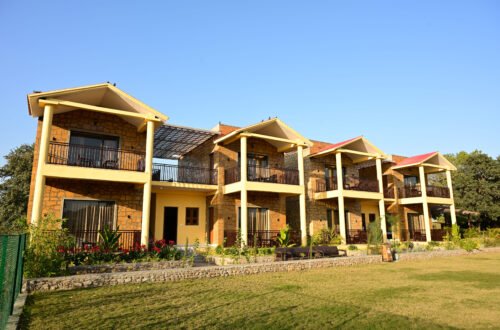
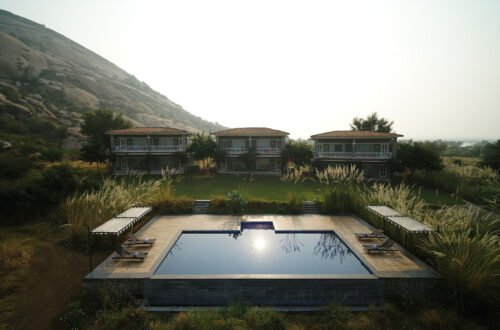
Experiencing the best of Sawai Madhopur requires deliberate planning to balance wildlife safari slots with leisurely heritage tours. Setting aside mid-day hours for fort walks leaves early mornings and late afternoons open for jungle track excursions. Travelers seeking comfort after strenuous outdoor journeys frequently book a stay at a luxuy resort in Ranthambore to enjoy authentic Rajasthani hospitality, verdant garden settings, and curated dining after a day in the field. For travelers celebrating special milestones or seeking hassle-free logistics, reserving a comprehensive Ranthambore 2N 3D couple package ensures organized safari permits, dedicated transfers, and comfortable stays that make exploring this historic region effortless.