Rajasthan presents an enduring synthesis of royal pageantry and timeless spiritual devotion. Among its most iconic circuits, the voyage connecting Jaipur and Pushkar brings travelers face-to-face with the contrasts that define northwest India. From the formidable ramparts of the Aravalli hills to the tranquil, incense-scented waters of a sacred desert oasis, this classic itinerary encapsulates centuries of architectural brilliance and living traditions. Navigating these historic destinations requires deliberate planning, local understanding, and route awareness to truly absorb their cultural legacy.
Experiencing the Majesty of Jaipur’s Heritage Forts
Jaipur, founded in 1727 by Maharaja Sawai Jai Singh II, is an early masterclass in urban planning based on the principles of Vastu Shastra. Beyond the terracotta-pink facade of the walled city lie defensive citadels and opulent residences that showcase Rajput and Mughal artistic synthesis.
Amber Fort and Palace Architecture
Perched atop the rugged crags of Amer town, the Amber Fort stands as the crown jewel of Jaipur’s defensive architecture. Constructed primarily with yellow and pink sandstone, the complex reveals layers of defensive ingenuity and royal luxury. Passing through the monumental Suraj Pol into Jaleb Chowk, visitors encounter the Diwan-e-Aam with its double row of columns and the exquisite Ganesh Pol, adorned with natural vegetable-dye frescoes. Within the inner courtyard lies the Sheesh Mahal, where thousands of convex mirror tiles catch the slightest ray of light to illuminate the hall.
Jaigarh and Nahargarh: Defensive Bastions
Above Amber sits Jaigarh Fort, built specifically to protect the palace complex below. Connected through subterranean passages, Jaigarh housed the royal foundry and remains home to the Jaivana cannon, once the world’s largest wheeled cannon. Further along the ridge stands Nahargarh Fort, offering panoramic vistas across the entire Jaipur basin. Originally named Sudarshangarh, it was expanded to include the Madhavendra Bhawan, a nine-apartment retreat designed with interconnected corridors for the royal consorts. Exploring these bastions requires comfortable walking gear, as the stone ramps and courtyards involve considerable foot travel.
Navigating the Historic Landmarks of the Pink City
The heart of the old city balances living commerce with monumental history. The City Palace complex remains partly occupied by the titular royal family while housing museums displaying ceremonial attire, armaments, and royal manuscripts. Adjacent to the palace, Jantar Mantar stands as an exceptional UNESCO World Heritage collection of nineteen architectural astronomical instruments, including the world’s largest stone sundial, the Vrat Samrat Yantra.
No exploration of the capital is complete without examining Hawa Mahal, the Palace of Winds. Built by Sawai Pratap Singh in 1799, its 953 intricately carved jharokhas were engineered to funnel cooling mountain breezes during arid summers while allowing royal women to observe street processions unseen. For travelers seeking a comprehensive single-day itinerary covering these architectural marvels alongside the artisan bazaars of Johari and Bapu, reserving a curated Jaipur full day tour ensures structured transit and seasoned historical commentary.
Journeying from the Royal Capital to Sacred Pushkar
The road transition from Jaipur to Pushkar covers approximately 145 kilometers, typically taking between two and a half to three hours via the modern national highway network. As urban clusters give way to the undulating terrain of the semi-arid plains, the cultural atmosphere shifts from courtly prestige to reverent tranquility. Booking a comprehensive Jaipur city tour with Pushkar allows travelers to transition seamlessly between these two contrasting worlds without navigating transit logistics independently.
Sacred Waters and Spiritual Rites at Pushkar Lake
Pushkar holds a singular position in Hindu theology, revered as the king of pilgrimage sites, or Tirtharaj. According to ancient scripture, the lake formed where a lotus petal slipped from the hand of Lord Brahma during his quest to vanquish an adversarial demon.
The Ghats and Ritual Traditions
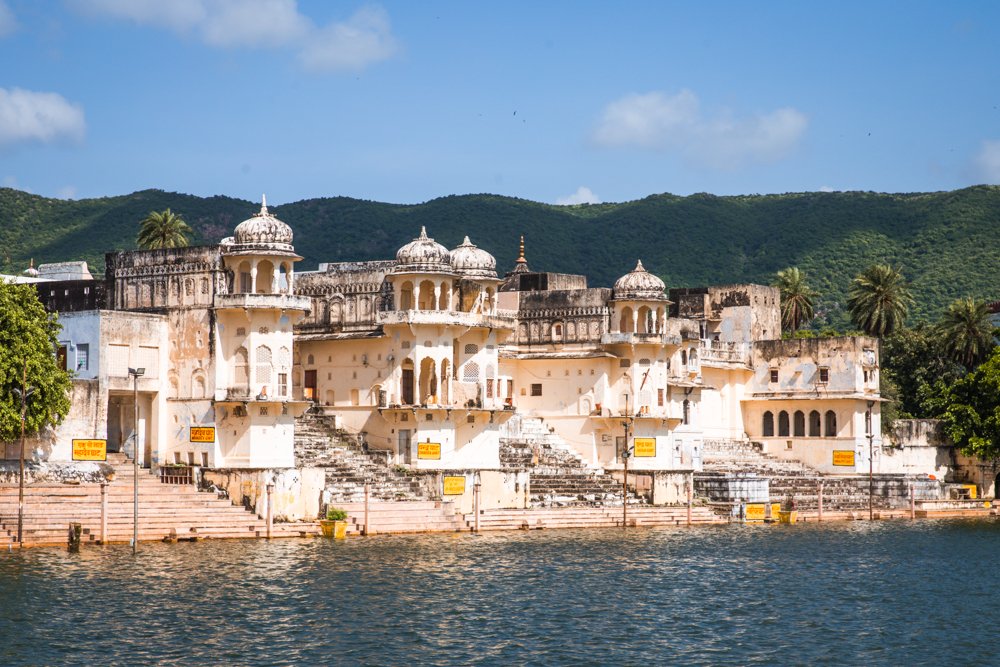
Surrounding the sacred body of water are fifty-two historic bathing ghats, each linked to specific princely states and mythological events. Brahma Ghat and Varaha Ghat witness continuous ritual activity from dawn until twilight. Pilgrims descend stone steps to perform ceremonial ablutions, offer prayers for ancestral peace, and participate in evening Maha Aarti ceremonies, where floating clay lamps illuminate the dark water against the chanting of Sanskrit hymns. Visitors should observe local customs respectfully: remove footwear well before the ghat perimeters, refrain from photography in active prayer zones, and dress modestly in accordance with temple town standards.
The Revered Jagatpita Brahma Temple
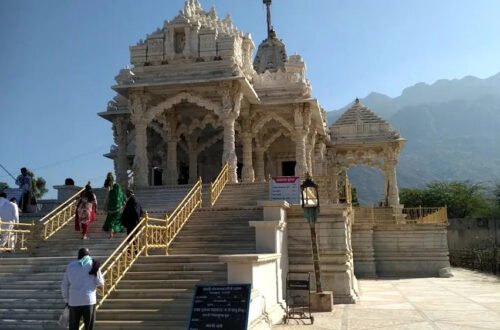
While India contains thousands of shrines dedicated to Vishnu and Shiva, sanctuaries dedicated to Lord Brahma are exceptionally rare. The Jagatpita Brahma Temple in Pushkar, dating in its present form to the fourteenth century, features a prominent red spire, marble mosaic floors, and a silver turtle emblem embedded before the inner sanctum. Pilgrims climb marble steps to pay respects to the four-faced deity, often pairing their visit with visits to the nearby Savitri Devi Temple atop Ratnagiri Hill for sunrise views.
Practical Insights for Planning Your Itinerary
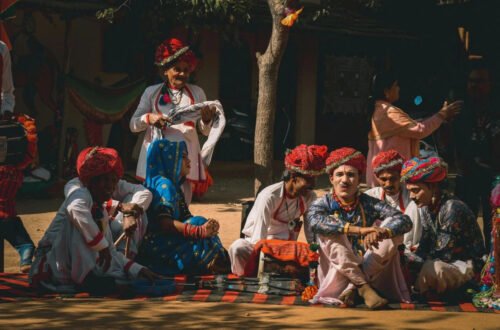
A journey across Jaipur and Pushkar yields the richest rewards when aligned with regional seasons. The winter months between October and March provide pleasant temperatures suitable for exploring stone fortresses and navigating open ghats. Travelers visiting during October or November may also witness the transformative energy of the annual Pushkar Camel Fair, which brings pastoral communities, cattle traders, and traditional performers together near the desert dunes.
Securing the expertise of an experienced tour operator in Rajasthan proves invaluable for orchestrating reliable transport, licensed heritage guides, and verified heritage accommodation. Through careful preparation and respectful engagement with local customs, exploring Jaipur’s majestic battlements and Pushkar’s holy waters provides an authentic encounter with the multifaceted heritage of royal India.