As the autumn mist settles over the Aravali and Vindhya ranges, wildlife enthusiasts across the globe begin planning their cold-weather expeditions. Winter transforms the arid landscape of Sawai Madhopur into a golden haven of dry deciduous forests, sparkling water bodies, and dramatic ruins. While several national parks across India vie for the top wilderness crown during the cooler months, Ranthambore consistently commands center stage. Decades of field observations and naturalist reports highlight this historic reserve as the benchmark for predator tracking, scenic topography, and safari accessibility between October and March.
The Winter Microclimate and Predator Movement
The period from November through February introduces a distinct shift in animal behavior. During the scorching summer months, Royal Bengal tigers remain hidden in dense underbrush or submerged in deep ravines to escape the heat. Winter reverses this pattern entirely. The crisp morning air, with temperatures hovering between 10°C and 15°C, compels large felids to actively seek warmth.
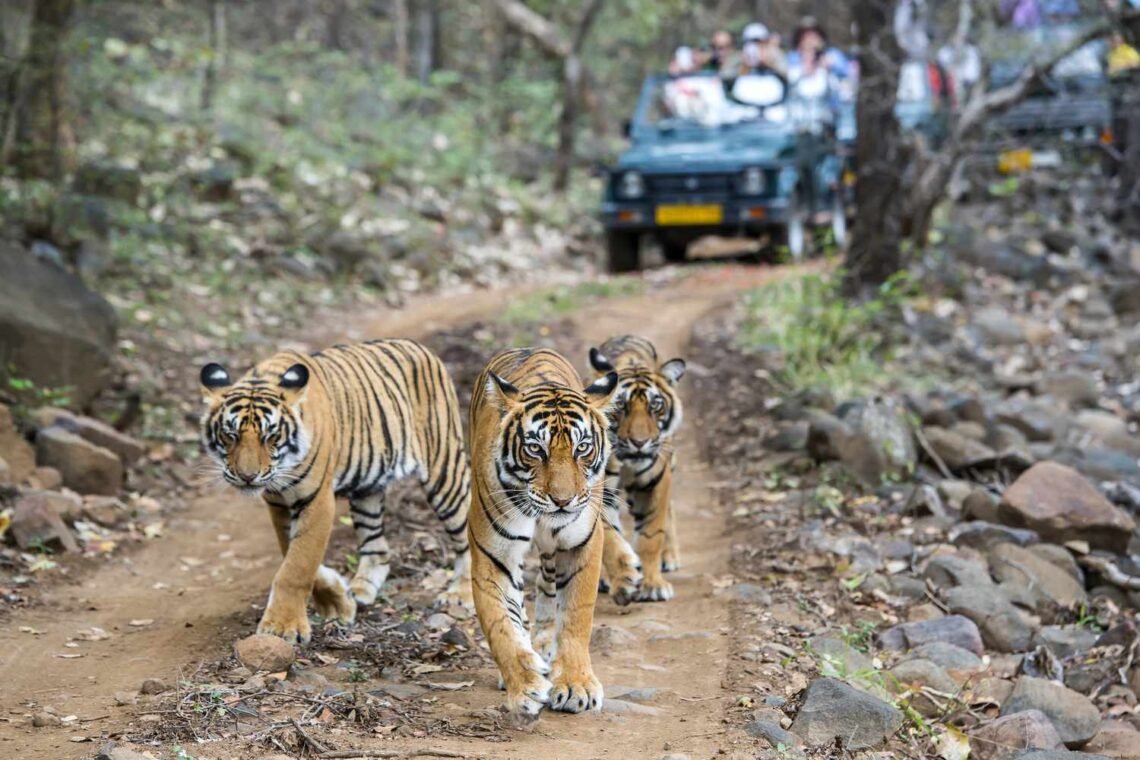
Tigers frequently emerge onto open tracks, sunlit rock ledges, and clearings around historical ruins during early morning drives. Sunlight breaks through the dhok canopies, warming the forest floor and encouraging extended periods of basking. This diurnal activity dramatically increases the likelihood of extended, unobtrusive sightings. The lack of sweltering midday heat also means tigers patrol their territorial boundaries for longer stretches, offering visitors rare glimpses of scent marking, patrolling, and social interactions that are seldom seen during the dry pre-monsoon rush.
Historical Grandeur Blended with Pristine Wilderness
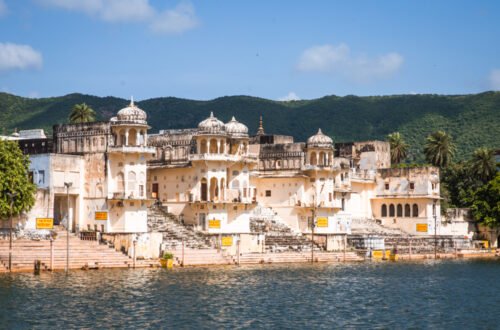
Ranthambore stands apart from Central India’s sal forests due to its evocative 10th-century heritage. The landscape is dominated by the UNESCO-listed Ranthambore Fort, featuring ancient stepwells, chattris, and crumbling stone arches nestled directly into the forest canopy. During the winter, early morning low-hanging fog weaves through the stone ramparts and over the waters of Padam Talao, Rajbagh, and Malik Talao.
These lakes form the ecological nucleus of the park. In winter, they become vibrant staging grounds for both predator and prey. Sambar deer graze chest-deep on aquatic vegetation, marsh crocodiles haul out onto muddy banks to absorb the sun, and migratory waterfowl arrive from Central Asia and Siberia. Spotting an apex predator drinking against the silhouette of the Jogi Mahal or traversing a medieval causeway is a visual spectacle unique to this sanctuary.
Navigating the Winter Zones and Safari Logistics
Understanding the logistical zoning system is vital for a successful wildlife excursion. Ranthambore National Park is divided into ten distinct safari zones to distribute vehicular pressure and protect the wilderness integrity. Zones 1 through 5 represent the core historical areas containing the lakes, perennial water channels, and dense forest valleys, often yielding consistent sightings. Zones 6 through 10, extending into the buffer and adjoining hills, offer rugged terrain, expansive vistas, and active resident territories.
Because winter is the peak travel window, planning safari permits several months in advance is essential. Both 6-seater open-top gypsies and 20-seater canters traverse these designated tracks under the stewardship of certified local drivers and forest department naturalists. The cold morning breeze necessitates heavy windproof layers, gloves, and beanies for the initial hours, transitioning to comfortable breathable cottons as the desert sun peaks toward noon.
Experiencing Wilderness and Comfort
A winter wildlife getaway relies just as heavily on comfortable, immersive accommodation as it does on track tracking. The outskirts of the park host an array of high-quality jungle stays designed to complement the wilderness experience. Discerning travelers seeking authentic Rajasthani hospitality, tranquil courtyards, and immediate proximity to the national park gates often evaluate the most well-appointed resorts in Ranthambore to recharge after brisk morning drives. At Ranthambore Tiger Resort, guests find the warmth of open bonfires, traditional evening folk performances, and attentive service tailored to early wildlife itineraries.
For those organizing a dedicated wilderness holiday, structuring safari drives, transfers, and forest clearances through curated Ranthambore tour packages ensures seamless coordination with licensed park naturalists. Having experienced local guides who understand tiger territories, alarm calls, and seasonal waterhole activity makes the difference between an average drive and an unforgettable encounter.
Maximizing a Short Safari Itinerary
Not every traveler has an entire week to dedicate to the jungle. The reserve’s strategic proximity to Jaipur, Delhi, and Agra makes it a premier destination for weekend wilderness getaways. A tightly structured 2-Day Journey in Ranthambore enables visitors to complete three to four safari drives across varied zones, tour the ancient ramparts of the fort, and capture the raw spirit of the reserve without unnecessary downtime.
By blending the optimal physiological conditions for wildlife tracking, rich medieval architecture, and reliable logistics, Ranthambore proves season after season why it remains unmatched as India’s finest winter safari destination.