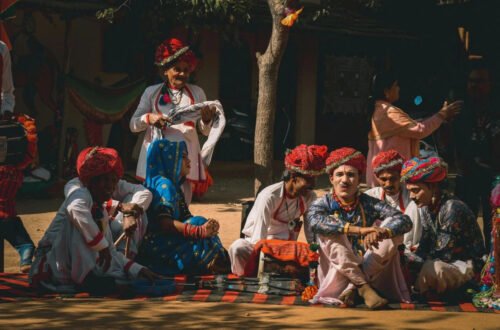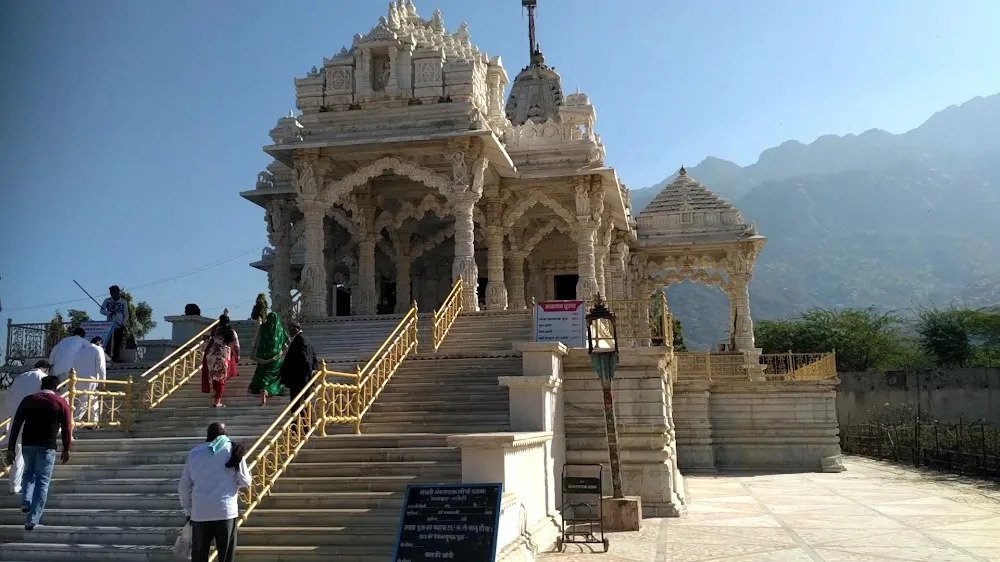
Nestled against the rugged contours of the southern Aravalli Range, Abu Road serves as far more than a practical transit junction for travelers heading upward to Mount Abu. This bustling border town in the Sirohi district of Rajasthan holds deep spiritual resonance, ancient architectural ruins, and scenic landmarks that reveal the sacred history of western India. For centuries, saints, kings, and pilgrims have traversed these valley routes, leaving behind an extraordinary tapestry of temples and historic monuments.
Whether you are embarking on a heritage tour, seeking spiritual solace, or looking for a peaceful boutique stay in Abu Road surrounded by nature, exploring the local landmarks reveals an authentic, grounded side of Rajasthan away from crowded commercial avenues.
Shri Rishikesh Temple: The Ancient Abode by the Banas River
Located roughly seven kilometers from Abu Road in the quiet village of Umarni, the Shri Rishikesh Temple stands as one of the region’s oldest and most revered sanctuaries. Dedicated to Lord Vishnu under his manifestation as Rishikesh Narayan, this stone temple dates back several centuries.
Set along the tranquil banks of the West Banas River, the temple offers a genuinely serene atmosphere characterized by cool river breezes and ancient banyan trees. Devotees visit to offer prayers and perform traditional rituals in an unhurried, meditative setting. The architectural layout reflects classic Maru-Gurjara stonework, with intricately carved pillars and sanctum entrances that have survived centuries of weather and cultural transition. It remains an essential morning stop for those who value quiet devotion and traditional riverside temple architecture.
Chandravati: The Forgotten Capital of the Parmaras
Just six kilometers south of Abu Road, along the banks of the Banas River, lies the sprawling archaeological complex of Chandravati. Between the 10th and 13th centuries CE, Chandravati flourished as the proud capital city of the Abu branch of the Parmara dynasty.
Extensive excavations led by the State Department of Archaeology and academic institutions have uncovered remnants of majestic multi-spired Shiva and Jain temples, fortified settlements, decorative plinths, and terracotta artifacts. Walking through the quiet ruins of Chandravati feels like stepping into a forgotten era of desert chivalry and artistic master craftsmanship. The site provides invaluable historical context for how medieval temple architecture developed in southern Rajasthan and northern Gujarat, making it an indispensable landmark for history enthusiasts and photographers alike.
Ambaji Temple and Gabbar Hill: Sacred Shakti Peeth
Although situated right across the Gujarat border approximately twenty kilometers from Abu Road, the holy shrine of Ambaji is intrinsically linked to the region’s cultural identity. Ambaji is recognized as one of the major fifty-one Shakti Peethas in Sanatana Dharma, marking the spot where the heart of Devi Sati is believed to have fallen.
Unlike most Hindu temples, the inner sanctum of Ambaji does not house an idol; instead, devotees revere the sacred Viso Yantra, an engraved geometric plate kept behind gold and silver vestments. Just five kilometers further stands Gabbar Hill, the legendary original home of the Goddess, accessible via a steep stone stairway or an aerial cable car. Visiting Ambaji during the evening Aarti or the vibrant Bhadarvi Poonam fair offers a sensory encounter with genuine folk devotion, ringing temple bells, and timeless spiritual vigor.
Brahma Kumaris Shantivan: Global Center of Peace and Reflection
Occupying an expansive, landscaped campus along National Highway 27, Shantivan serves as the international retreat complex for the Brahma Kumaris spiritual movement. It stands as one of the most prominent modern spiritual landmarks in Abu Road, welcoming visitors from all corners of the world regardless of background or faith.
The Diamond Hall at Shantivan can accommodate over twenty thousand people in pin-drop silence during guided Rajyoga meditation sessions. The complex is distinguished by its meticulous cleanliness, quiet walkways, eco-friendly solar thermal plants, and extensive spiritual libraries. A walk through Shantivan offers an educational look at modern spiritual organization and self-transformation practices, presenting a refreshing contrast to traditional pilgrimage sites.
Planning Your Journey Across Abu Road
To fully appreciate the historical and sacred landmarks scattered across Abu Road, careful planning enhances the experience:
- Early departures are recommended for riverside sites like the Shri Rishikesh Temple to capture morning light and peaceful river views.
- Respectful attire is customary at all functioning shrines, particularly Ambaji and regional Jain sanctums.
- November through February offers crisp mornings and pleasant daytime temperatures optimal for exploring outdoor ruins like Chandravati.
After a long day spent traversing ancient stone courtyards, crowded pilgrimage bazaars, and peaceful meditation halls, retiring to a serene setting makes all the difference. Travelers choosing the best resort in Abu road can unwind in natural comfort at Achal Bagh, letting the timeless charm and cultural richness of the Aravalli foothills complete an unforgettable journey.