Stepping into Jaisalmer feels like walking straight into an ancient folklore etched in golden sandstone. Known across the globe as the “Golden City,” this desert jewel in the heart of Rajasthan’s Thar Desert blends living medieval heritage with vast, undulating sand dunes. For first-time travelers, navigating the maze of narrow bastions, historical mansions, and sweeping desert plains can be thrilling. This comprehensive travel guide covers the essential sights, historical context, and practical travel insights to help you craft an unforgettable journey.
Jaisalmer Fort: The Golden Living Citadel
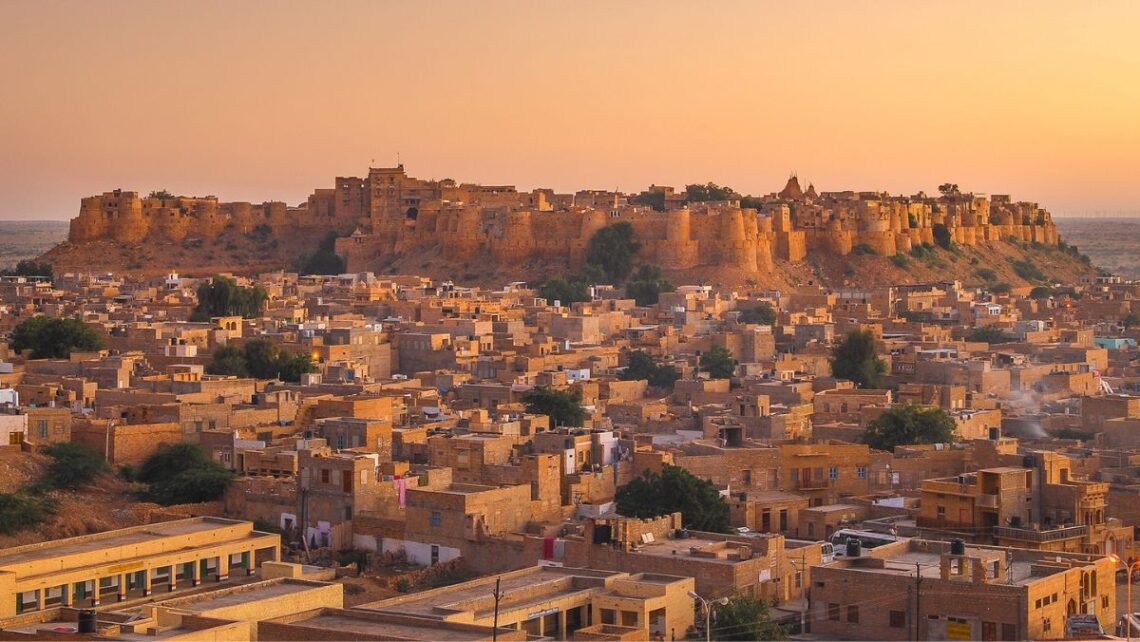
Unlike traditional forts that serve solely as protected museum properties, Jaisalmer Fort, locally known as Sonar Qila, is one of the world’s few functioning “living forts”. Established in 1156 AD by the Rajput ruler Rawal Jaisal, this UNESCO World Heritage Site currently houses thousands of permanent residents, bustling bazaars, residential havelis, and ancient temples within its massive perimeter.
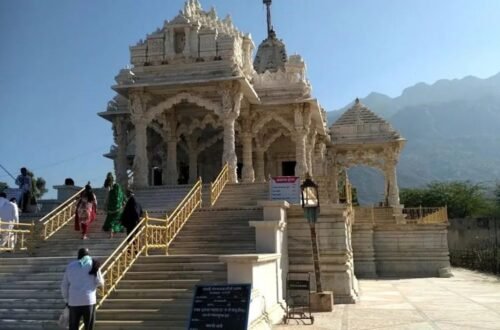
Begin your exploration early in the morning through its massive arched gateways: Akhai Pol, Suraj Pol, Gopa Chowk, and Hawa Pol. As the sun ascends, the yellow sandstone walls transform into a rich honey hue. Inside, visit the Fort Palace Museum to witness artifacts from the Bhatti Rajput dynasty, and navigate the intricately sculpted 12th-century Jain Temples dedicated to Tirthankaras like Sambhavanatha and Rikhabdev. A walk along the fort ramparts reveals sweeping panoramic views of the entire desert settlement stretching toward the horizon.
The Architectural Havelis of Old Town
Descending from the fort brings you to the labyrinthine lanes of the old city, where wealthy merchant families erected opulent mansions during the height of the Silk Road trade era.
- Patwon Ki Haveli: The largest and most ornate mansion complex in Jaisalmer, constructed by a prosperous merchant for his five sons. The structure features five interlinked buildings renowned for their latticed jharokhas (balconies), sandstone filigree, and private museum displaying period costumes and furniture.
- Nathmal Ki Haveli: Famous for its architectural story, this 19th-century residence was carved by two brothers who worked simultaneously on opposite sides without blueprints, producing an asymmetric yet balanced facade adorned with sculpted elephants and floral motifs.
- Salim Singh Ki Haveli: Distinguished by an arched, peacock-shaped roofline supported by bracketed balconies, this property showcases distinctive structural artistry commissioned by a formidable prime minister of the court.
Gadisar Lake and Historical Chattris
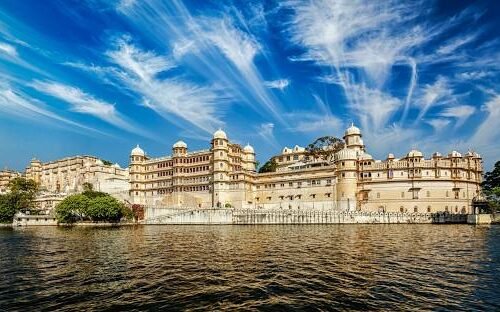
Built in the 14th century by Maharawal Gadsi Singh as a vital rainwater conservation reservoir, Gadisar Lake offers a peaceful retreat from the bustling markets. The water is framed by artistic shrines, ghats, and the intricately carved Tillon Ki Pol gateway. First-time visitors can rent rowboats or paddleboats in the early morning or late afternoon to observe migratory birds and photograph the reflective water against the sandstone structures.
A short journey north leads to Bada Bagh, a serene memorial garden situated on a desert hill. This site houses a complex of royal chattris (cenotaphs) dedicated to former Maharawals of Jaisalmer. The wind-swept location provides quiet contemplative spaces and exceptional vantage points for desert photography.
The Desert Experience: Sam Sand Dunes and Thar Heritage
A trip to Jaisalmer remains incomplete without heading approximately 40 kilometers westward into the deep desert terrain of Sam Sand Dunes. Here, the arid scrub transforms into sweeping dunes shaped by the desert wind.
Experiencing this landscape requires reliable local infrastructure, and travelers looking to combine comfort with rustic charm often book a luxury camp in jaisalmer. Authentic desert hospitality features traditional Kalbelia folk performances, Manganiyar vocal music, open-sky dining, and stargazing sessions free from urban light pollution.
For thrills beyond sightseeing, thrilling excursions like dune bashing across high crests, quad biking, and sunset camel safaris allow visitors to explore the desert terrain firsthand. Enthusiasts can participate in various Jaisalmer advanture activities to witness the shifting sands up close.
Mysterious Ruins: Kuldhara Abandoned Village
En route to the desert camps lies Kuldhara, an archaeological marvel known as the “ghost village” of Rajasthan. Inhabited by the prosperous Paliwal Brahmin community from the 13th century, the village was abruptly abandoned overnight in the early 1800s due to oppression and extortion by the royal minister Salim Singh. Walking through the roofless stone dwellings, central square, and conserved temple offers a moving historical perspective on community solidarity and resilience.
Essential Practical Tips for First-Time Travelers
To ensure a smooth journey across western Rajasthan, keep these regional recommendations in mind:
- Ideal Visiting Window: The optimal travel period spans from October to March, when day temperatures remain pleasant, though desert nights can drop sharply toward near-freezing levels.
- Footwear and Sun Protection: Navigating sandstone cobblestones and rocky fort alleys requires comfortable, closed-toe walking shoes. Carry high-grade sun protection, hats, and light shawls.
- Duration and Itinerary: A classic 3-day itinerary allows you to explore the fort, monuments, and desert expanses at a relaxed pace. Travelers seeking a balanced romantic getaway often choose a pre-arranged 02 Night 03 Days Jaisalmer Couple Package to combine heritage walks with desert camp stays.
- Local Culinary Must-Tries: Savor traditional regional specialties including Dal Baati Churma, Gatte Ki Sabzi, and Ker Sangri prepared with desert spices.
Jaisalmer rewards curious explorers who look past modern commercialization to appreciate its centuries-old craftsmanship, resilient traditions, and desert vistas. Planning your itinerary around these focal sites ensures a rewarding first-time encounter with Rajasthan’s desert frontier.