Winter transforms the dry deciduous forests of Ranthambore into one of India’s most compelling wildlife destinations. Running from October through March, the season brings crisp morning air, golden afternoon light, and pleasant midday temperatures that make extended game drives comfortable. Beyond pleasant weather, winter improves visibility through the thinning dhok foliage and encourages apex predators to bask along open clearings, rocky outcrops, and lake banks. Planning a journey during this peak window requires an understanding of park regulations, seasonal animal behaviors, safari vehicle dynamics, and route pacing. This comprehensive winter guide covers the operational knowledge and day-by-day structure needed for an unforgettable wilderness expedition.
Why Visit Ranthambore During the Winter Months
Winter offers a distinct advantage for wildlife observation in Ranthambore National Park. Between November and February, daytime temperatures hover around 20°C to 25°C, making the open forest drives refreshing rather than draining. However, night and early morning temperatures frequently drop below 10°C, and occasionally near 4°C during peak January weeks.
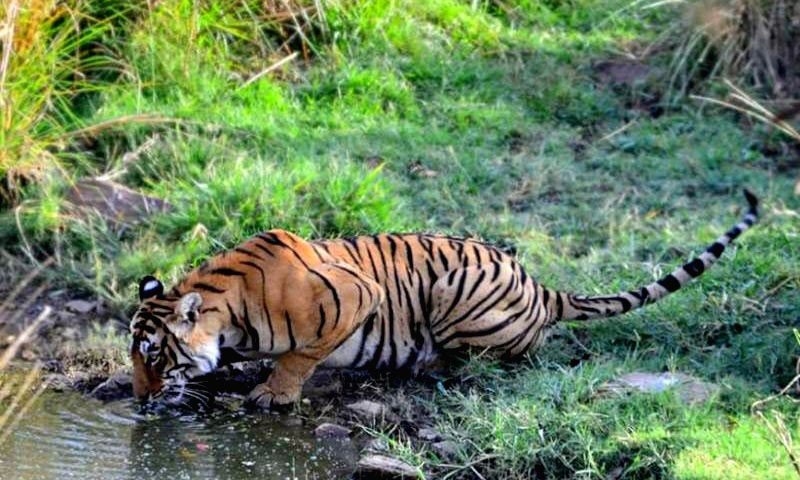
Tigers, leopards, striped hyenas, and sloth bears alter their daily patterns to adapt to these temperature shifts. Instead of retreating deep into shaded ravines, big cats frequently stay out in the morning sun to regulate their body temperature, offering naturalists and photographers exceptional viewing opportunities along park tracks. Winter also coincides with the arrival of migratory waterfowl across the park’s historic water bodies, including Padam Talao, Malik Talao, and Rajbagh Lake. Flocks of pintails, bar-headed geese, painted storks, and white-throated kingfishers populate the water edges, adding depth to every morning safari.
Essential Winter Travel Tips for Ranthambore
Preparation determines the quality of any jungle safari, particularly in the open vehicles traversing rugged forest terrain.
Pack Strategic Cold-Weather Layers
The windchill during pre-dawn drives in open vehicles is severe. Dress in layers rather than a single heavy coat so you can adjust as the sun warms the forest canopy. A windproof outer shell, a fleece inner layer, thermal innerwear, a snug wool beanie, and gloves are non-negotiable for the morning safari. Neutral earth tones such as khaki, olive green, brown, and beige help you blend into the natural surroundings and reduce visual disturbance to the wildlife.
Secure Safari Permits Well in Advance
The Rajasthan Forest Department opens safari bookings up to 90 to 120 days early, and winter quotas fill quickly. Ranthambore is divided into ten eco-tourism zones. Zones 1 through 5 represent the historic core with iconic heritage ruins and dense lake systems, while Zones 6 through 10 feature rugged hills, deep gorges, and expanding wildlife territories. Securing multiple game drives across different zones provides a balanced understanding of the reserve’s diverse geography.
Choose the Right Vehicle for Your Group
Safaris operate via two authorized vehicle formats: 6-seater open-top Gypsies and 20-seater open-air Canters. While smaller jeeps provide agility on narrow routes, an organized canter safari tour in Ranthambore delivers higher vantage points over tall grasses and offers a comfortable, accessible option for families or larger travel groups. Both vehicle types follow identical official park routes and are accompanied by licensed naturalists and trackers.
Respect the Wildlife Code
Listen to your forest tracker and naturalist. Big cat tracking relies heavily on listening for alarm calls from chital deer, sambar, and langur monkeys. Maintain absolute silence when approaching an animal, avoid sudden movements, and never use camera flashes or drones. Responsible viewing protects the wildlife and preserves the authenticity of the experience.
Complete 3-Day Winter Itinerary for Ranthambore
This structured itinerary balances active game drives with local cultural heritage and rest.
Day 1: Arrival, Check-In, and Afternoon Forest Exploration
Arrive in Sawai Madhopur via train or road from Jaipur or Delhi by midday. Check into your room at a comfortable luxury resort in Ranthambore to refresh before the afternoon jungle drive.
Your afternoon safari begins around 2:00 PM and runs until sunset. The afternoon light in winter produces spectacular conditions for landscape and bird photography. Watch for herds of spotted deer grazing across the meadows, wild boars rooting near muddy depressions, and mugger crocodiles sunning themselves on exposed rocks.
Return to your accommodation by dusk. Warm up by an outdoor campfire, enjoy traditional Rajasthani dishes like Dal Baati Churma or Laal Maas, and get a restful night’s sleep before the early start.
Day 2: Core Zone Tracking and Ranthambore Fort
Set your alarm early for the morning safari, which enters the forest as the first rays of light cut through the mist. This drive provides your best opportunity to intercept fresh pugmarks and listen for alarm calls signaling a tiger moving toward a water body or warming itself in a sunlit meadow.
Return to the resort by mid-morning for a hot breakfast and a few hours of downtime.
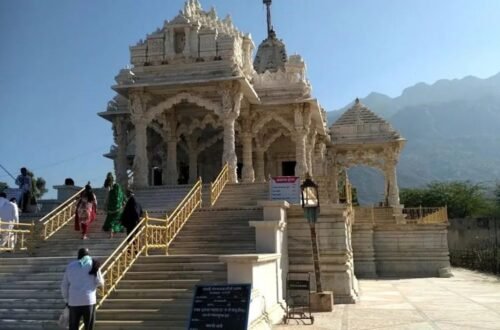
In the afternoon, dedicate three hours to exploring the 10th-century Ranthambore Fort, perched high atop a hill overlooking the national park. Visit the ancient Trinetra Ganesh Temple, walk among the ancient pavilions, and take in the panoramic views of Padam Talao from the ramparts. Finish the evening with a quiet stroll through the resort grounds, reviewing your photographs and enjoying the starlit desert sky.
Day 3: Final Safari Drive and Departure
Conclude your trip with a final morning game drive in a different safari zone to experience Ranthambore’s varied ecosystems, from steep escarpments to dry riverbeds. After exiting the park gate, return to your resort for a hearty lunch, complete check-out procedures, and begin your onward journey via Sawai Madhopur railway station or private road transfer.