Perched dramatically amidst the rugged peaks of the Aravalli Range, Kumbhalgarh stands as one of the most compelling heritage destinations in Rajasthan. Revered for its colossal ramparts, dense wildlife sanctuary, and vibrant Mewari traditions, this historic town offers an immersive retreat for culture enthusiasts and adventure seekers alike. A thoughtfully planned forty-eight-hour itinerary ensures travelers take in the region’s grand architecture, rugged trails, and culinary heritage.
Day 1: Conquering the Great Wall of India and Mewari Heritage
Morning: Arrival and Ascent to the Citadel
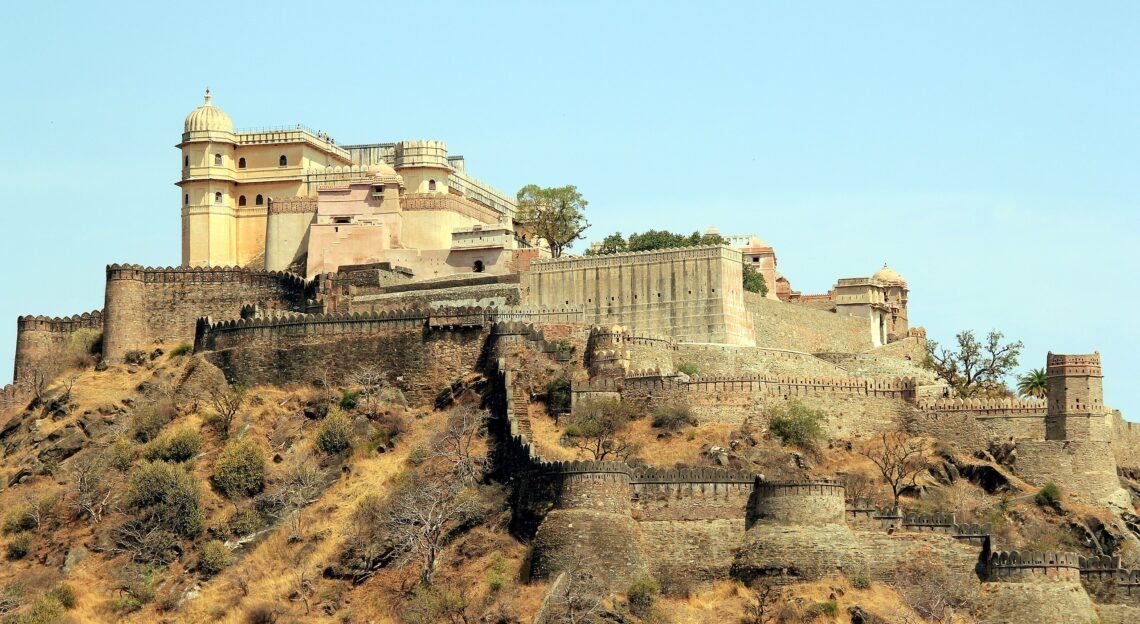
Begin your journey early in the morning by driving through the winding ghat roads that ascend into the Aravalli hills. Arriving at the citadel before the afternoon heat allows for an unhindered climb through its seven massive fortified gates, starting from Aret Pol and Halla Pol. Built during the 15th century under the reign of Rana Kumbha, the fortress boasts a perimeter wall stretching thirty-six kilometers, second in length only to the Great Wall of China.
Climb up toward the Badal Mahal, the palace of clouds situated at the highest vantage point of the complex. The palace features distinct sections adorned with delicate pastel murals depicting royal hunting expeditions and court life. From its high terraces, visitors are treated to an unbroken panoramic view spanning across the desert hills of Marwar to the west and the lush valley passes of Mewar to the east.
Afternoon: Ancient Sanctuaries and Local Living
Descend from the upper palace into the enclosure that houses more than three hundred ancient shrines. Take time to explore the Neelkanth Mahadev Temple, notable for its monolithic lingam and high stone pillars, alongside the intricate marble carving found within the Parsvanatha and Vedi temples.
For your midday respite, relax and savor regional delicacies prepared with local farm ingredients. Exploring best restaurants in Kumbhalgarh reveals traditional culinary secrets such as slow-cooked Gatte ki Sabzi, Ker Sangri, and freshly baked Bati paired with aromatic churma, offering authentic Mewari flavors that refuel you for the evening ahead.
Evening: The Sound and Light Spectacle
As twilight descends over the hills, make your way back toward the eastern facade of the fort for the daily Sound and Light presentation. The show brings centuries of Rajput valor, tactical warfare, and the birth of Maharana Pratap to life against the illuminated stone backdrop.
Retire for the night to premium hospitality services in Kumbhalgarh, where properties by Namoka offer private verandas, heritage-inspired courtyards, and tranquil views of the forested valleys.
Day 2: Forest Safaris, Hill Treks, and Traditional Artistry
Morning: Wildlife Safari in Kumbhalgarh Wildlife Sanctuary
Awake at dawn for an open-top gypsy safari through the Kumbhalgarh Wildlife Sanctuary, which encircles the fortress across five hundred square kilometers of undulating dry deciduous forest. This sanctuary acts as an important ecological corridor home to leopards, Indian wolves, chausinghas, striped hyenas, and sambar deer.
Travelers interested in exploring on foot can opt for the Thandi Beri foot track or the trail connecting Ranakpur to Kumbhalgarh. Guided treks lead through dhok tree canopies where birdwatchers frequently encounter paradise flycatchers, white-bellied drongos, and painted spurfowl.
Midday: Architectural Marvels of Ranakpur
Embark on a short, scenic downhill drive toward the Ranakpur Jain Temple complex, nestled on the western slope of the range. Regarded as a pinnacle of classical Indian architecture, this 15th-century marble temple rests on more than one thousand four hundred intricately carved pillars, no two of which share the same motif. The play of light filtering through the open mandapas creates an atmosphere of deep tranquility.
Late Afternoon: Rural Villages and Craft Workshops
Before concluding your stay, dedicate your final hours to exploring the rural hamlets surrounding Kelwara and Kumbhalgarh. Local artisans continue age-old crafts including terracotta pottery, handwoven durries, and leather mojris. Engaging directly with these artisan communities offers genuine insight into rural Rajasthani customs, pastoral life, and preservation efforts that keep regional traditions alive.
Essential Kumbhalgarh Travel Tips
- Ideal Visiting Window: The winter and post-monsoon months from October through March offer crisp mountain air, clear skies, and comfortable walking temperatures.
- Footwear and Terrain: Fortress paths and nature trails feature uneven flagstones and steep gradients; wear sturdy, broken-in walking shoes.
- Local Guides: Engage licensed guides at the fort entrance for accurate historical accounts of siege strategies and palace architecture.
- Transit Planning: The nearest airport is Udaipur’s Maharana Pratap Airport, situated roughly two hours away by road, making private taxis or self-drive rentals the most convenient transit option.