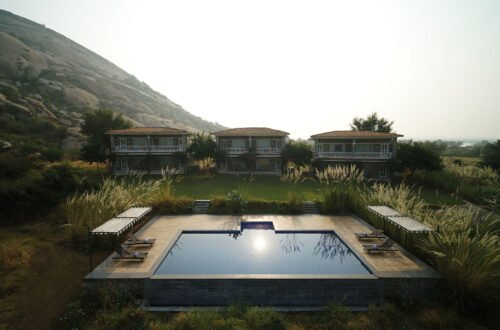
Planning an expedition to Ranthambore National Park requires an understanding of wildlife movements, varied landscapes, and historical landmarks. As a traveler preparing for a safari, balancing jungle drives with cultural sightseeing turns a brief visit into an enriching wilderness experience. When you stay at a luxury resort in Ranthambore, you gain immediate access to safari gates, knowledgeable naturalists, and restful downtime between game drives.
Essential Sights in and Around the Reserve
Ranthambore stands apart from other tiger reserves due to the seamless blend of raw jungle and architectural heritage. The most prominent historical site is the Ranthambore Fort, a 10th-century UNESCO World Heritage site perched high on a cliff overlooking the entire reserve. Within the ramparts, you can visit the revered Trinetra Ganesh Temple, where pilgrims and travelers gather year-round. Looking down from the fort walls offers panoramic vistas across Padam Talao, Raj Bagh, and Malik Talao, often revealing marsh crocodiles basking on lake banks or sambar deer grazing in shallow waters.
At the base of the fort trail lies Jogi Mahal, a historical hunting lodge surrounded by the park’s iconic ancient banyan tree—one of the largest in India. Exploring nearby lakes like Surwal Lake and Mansarovar Lake provides rewarding opportunities for birdwatchers, especially during winter months when migratory waterfowl flock to the region.
Understanding the Safari Zones
The park is divided into ten distinct safari zones managed by the Rajasthan Forest Department to regulate vehicle distribution and preserve habitat integrity.
- Zones 1 to 5: Known as the core zones, these routes encompass iconic water bodies such as Padam Talao and Malik Talao, historically producing steady tiger sightings alongside chital, wild boar, and marsh crocodiles.
- Zones 6 to 10: These zones feature expansive scrub forests, rocky plateaus, and steeper hill tracks. They offer rewarding encounters with elusive leopards, striped hyenas, sloth bears, and diverse bird species in a quieter environment.
Booking Ranthambore sightseeing tour packages ensures that both park permits and local transfers are organized ahead of time, allowing you to focus entirely on tracking wildlife and exploring the region.
The Complete 3-Day Safari Itinerary
Day 1: Arrival, Local Heritage, and Forest Orientation
Arrive in Sawai Madhopur by midday and check into your accommodation to settle in and recharge. Spend your afternoon ascending the winding paths of Ranthambore Fort. Visiting the Trinetra Ganesh Temple and walking along the ancient battlements provides critical context on how human history and forest conservation have coexisted for centuries. Return before dusk to attend an evening briefing by your naturalist, who will outline current predator territories, alarm call patterns, and packing essentials for early mornings.
Day 2: Morning and Afternoon Jungle Safaris
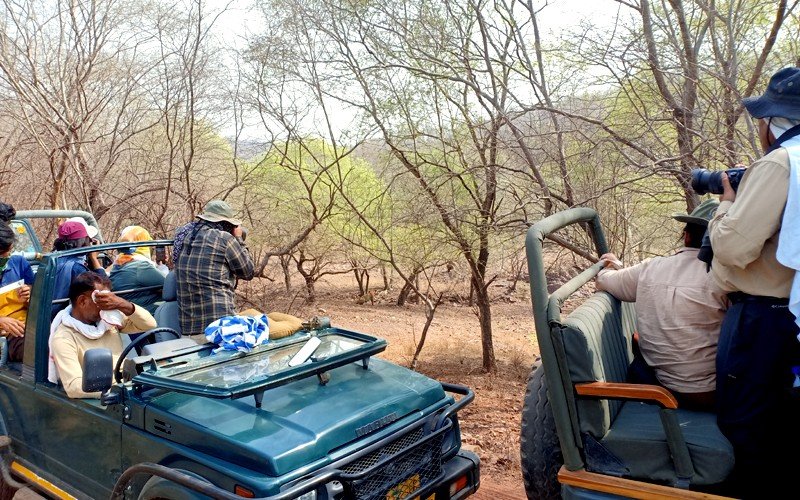
Your morning starts before sunrise as you enter the park for your first game drive in an open 6-seater jeep or 20-seater canter. The early hours offer the crispest light for wildlife photography and the highest chance of catching fresh pugmarks along dusty trails. Keep an ear tuned to the sharp warning barks of langurs and chital, which alert guides to nearby big cats.
Return to the resort by mid-morning for breakfast and relaxation during the heat of the day. In the mid-afternoon, head out for your second safari in an alternate zone. The shifting light changes animal behavior, often drawing sloth bears, nilgai, and predatory birds into open clearings. Conclude your evening reviewing photographs and comparing zone terrain over dinner.
Day 3: Final Dawn Drive and Departure
Embark on a final dawn safari to maximize your chances of viewing elusive carnivores as they return to shaded ravines. After exiting the park and finishing breakfast, take a brief excursion to the Rajiv Gandhi Regional Museum of Natural History to learn about western India’s ecological diversity before beginning your onward journey.
Safari Planning and Permit Essentials
Safaris operate in two shifts daily: one starting shortly after dawn and another in the mid-afternoon, with timings adjusting seasonally according to sunrise and sunset. Visitors can choose between an open Gypsy, which offers agility and maneuverability on narrow tracks, or a larger canter, which provides elevated sightlines across tall grasses. Reviewing the official Ranthambore safari tariff helps you evaluate vehicle categories, guide fees, and government entry charges when budgeting your trip.
Always carry a government-issued photo identity card that matches your booking permit exactly, as forest rangers verify details at every gate checkpoint. Neutral-colored clothing, sun protection, and a telephoto lens or pair of binoculars will ensure you stay comfortable and ready for every sighting throughout your time in the reserve.