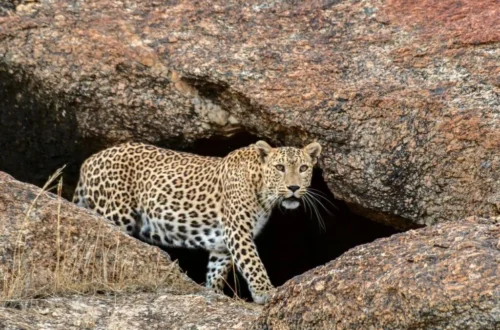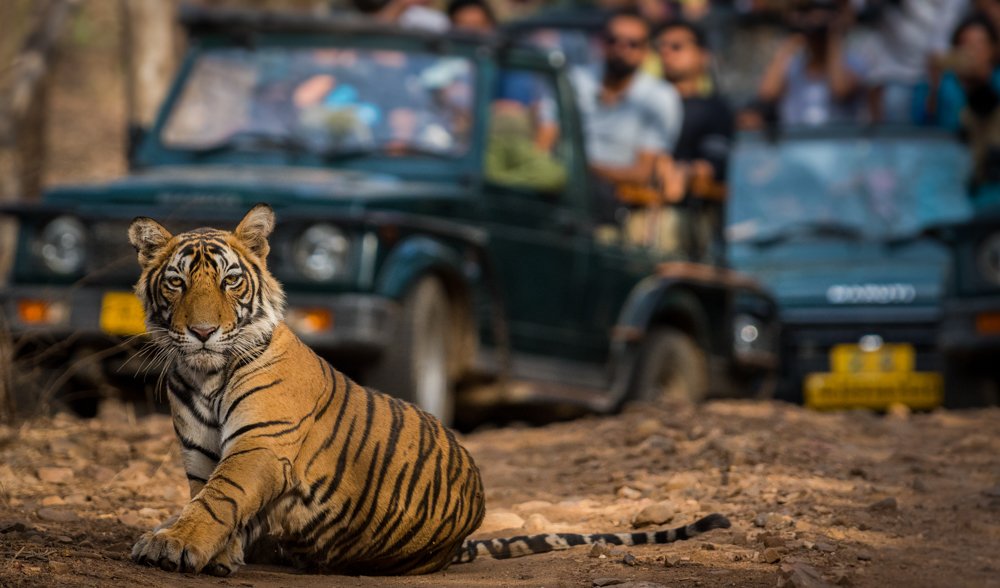
Ranthambore National Park stands out as one of northern India’s premier wildlife reserves, renowned for its healthy population of Bengal tigers roaming amidst dry deciduous forests, rocky hills, and ancient ruin landscapes. A truly successful expedition to this historic wilderness depends on two critical factors: choosing the right season to travel and understanding the strict daily operational schedule set by the Rajasthan Forest Department.
Understanding the shift in animal behaviors across seasons, alongside the precise park entry hours, directly impacts the quality of your tiger tracking and photography opportunities.
Seasonal Shifts and the Official Safari Timetable
Ranthambore operates on two main safari shifts per day: a morning shift and an afternoon shift. Because animal activity and daylight patterns change throughout the year, the Rajasthan Forest Department adjusts gate entry and exit times across five distinct operational blocks:
- October 1 to October 31: Morning shift runs from 6:30 AM to 10:00 AM; afternoon shift runs from 2:30 PM to 6:00 PM.
- November 1 to January 31: Morning shift runs from 7:00 AM to 10:30 AM; afternoon shift runs from 2:00 PM to 5:30 PM.
- February 1 to March 31: Morning shift runs from 6:30 AM to 10:00 AM; afternoon shift runs from 2:30 PM to 6:00 PM.
- April 1 to May 15: Morning shift runs from 6:00 AM to 9:30 AM; afternoon shift runs from 3:00 PM to 6:30 PM.
- May 16 to June 30: Morning shift runs from 6:00 AM to 9:30 AM; afternoon shift runs from 3:30 PM to 7:00 PM.
The reserve’s core zones (Zones 1 through 5) remain closed annually from July 1 through September 30 during the monsoon season to support breeding cycles and habitat rejuvenation.
The Peak Wildlife Tracking Period: April to June
For wildlife enthusiasts whose primary goal is tracking dominant apex predators, late spring and early summer represent the most productive window.
By April, the lush undergrowth that thrives after the winter rains begins to dry and shed. As high temperatures consistently exceed 38 degrees Celsius, natural streams, ephemeral pools, and interior forest rivulets evaporate. This rapid landscape shift forces prey species and resident tigers toward permanent water bodies such as Padam Talao, Rajbagh, Malik Talao, and artificial concrete waterholes maintained by forest rangers.
Securing an open-top jeep safari in Ranthambore during these arid months provides superior visibility, agility along narrow forest tracks, and front-row opportunities to observe cats cooling themselves in shallow ravines. The reduced ground foliage makes movement easier to spot from a distance, elevating overall sighting probability across both early morning and late afternoon excursions.
The Pleasant Exploration Months: November to March
Visitors who prioritize temperate weather, lush sceneries, and birding over sheer sighting density often favor the winter and early spring period.
From November through February, early morning temperatures can dip near freezing, creating crisp, misty atmospheres across the lakes. During these cooler months, tigers often leave dense tree canopies to bask in the direct morning sun on open grasslands, sandstone plateau ridges, and patrol dirt patrol tracks.
March acts as an ideal shoulder month, delivering comfortable ambient temperatures alongside increasing leaf-fall from Dhok trees (Anogeissus pendula), which steadily opens up the forest canopy without the intense heat of May. Winter is also the premier season for birdwatchers, with wetlands playing host to hundreds of migratory waterfowl, eagles, and wading birds.
Recommended Safari Strategy for Optimal Sighting Odds
Tigers are wild, territorial, and free-roaming, meaning that successful tracking requires patience, fieldcraft, and smart itinerary planning.
- Book 3 to 4 Safaris: Relying on a single drive leaves your wildlife encounters to chance. Spreading your drives across at least two full days increases the likelihood of intersecting with active patrol routes.
- Balance Morning and Afternoon Drives: Morning safaris often capture predators finishing territorial patrols or warming up after cool nights. Afternoon drives catch predators rousing from midday rests to drink at waterholes just before dusk.
- Listen to Jungle Alarm Calls: Experienced naturalists pay close attention to the frantic alarm barks of Sambar deer, spotted chital, and langur monkeys, which consistently give away an approaching predator long before it appears on the road.
- Select the Right Vehicle: Six-seater open jeeps allow quick turnarounds, maneuverability, and unobstructed sightlines compared to larger 20-seater canters.
Planning Your Wildlife Stay
Because wildlife safaris require early morning wake-up calls and dusty trail excursions, choosing a tranquil base near the park boundary is essential for recovering between game drives. Staying at a dedicated luxury resort in Ranthambore allows travelers to unwind in quiet courtyards, enjoy regional Rajasthani cuisine, and consult on-site naturalists regarding fresh tracking reports from the day’s earlier departures.
Aligning your travel calendar with your comfort preferences—braving the dry summer heat for maximum sighting frequency, or enjoying the cool winter breeze for scenic landscapes—ensures an unforgettable journey into India’s most celebrated tiger domain.