Nestled along the edge of the Thar Desert and cradled by the rugged Aravalli Range, Pushkar remains one of India’s most enigmatic pilgrimage towns. Steeped in antiquity, this sacred lakeside hamlet balances deep spiritual heritage with bohemian vitality. Whether you are navigating ancient cobblestone alleys scented with rose petals or watching incense drift across tranquil ghats, spending two days here provides a transformative escape. As an established, on-ground Rajasthan travel agency, our destination specialists have curated this 48-hour itinerary based on direct field expertise to help discerning travelers experience Pushkar authentically, respectfully, and seamlessly.
Understanding Pushkar: Cultural Significance and Local Etiquette
Pushkar holds exceptional theological prominence in Sanatana Dharma. According to Vedic legend, Lord Brahma dropped a lotus flower to earth, creating the consecrated waters of Pushkar Lake. Because this holy town observes sacred traditions, strict cultural decorum must be maintained. Footwear must be removed before stepping onto the marble stairs of the ghats, photography during ritual ablutions should be avoided out of respect for worshipers, and the entire municipality adheres strictly to pure vegetarian dining, with alcohol prohibited. Travelers booking a bespoke Rajasthan heritage tour will appreciate how these centuries-old customs preserve an untouched spiritual aura absent in busier commercial destinations.
Day 1: Sacred Waters, Rare Divinity, and Desert Sunsets
Morning: Pushkar Lake and Jagatpita Brahma Mandir
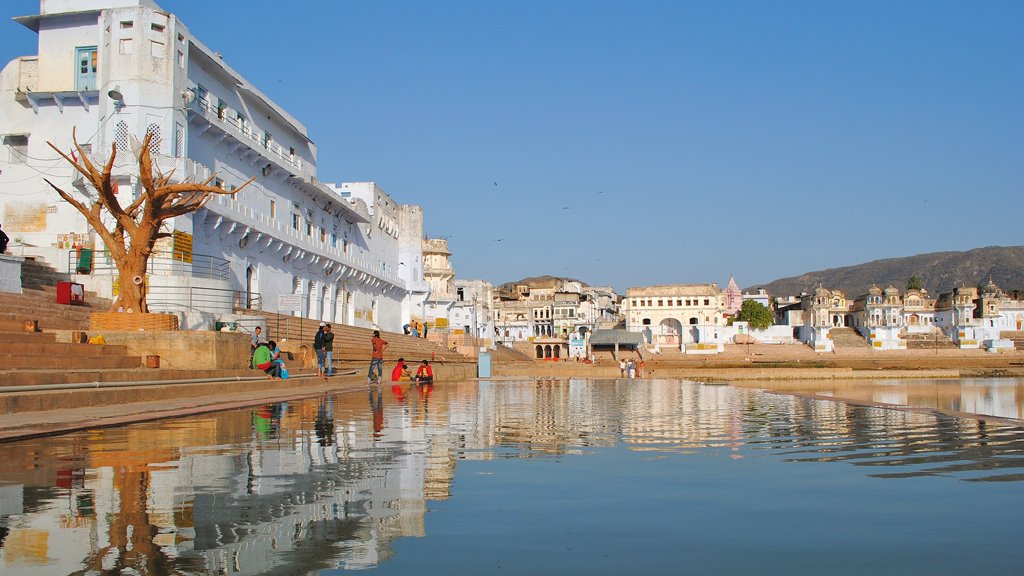
Begin your pilgrimage at sunrise along the quiet promenades of Pushkar Lake. The early morning hour offers crisp desert air, low temple bells, and the calm reflection of whitewashed heritage havelis against still waters. With 52 separate ghats surrounding the reservoir, start your self-guided walk at Brahma Ghat before proceeding to Varaha Ghat. Observing priests chant morning hymns provides profound insight into living ritual practices.
From the water’s edge, take a five-minute walk through the bustling bazaar to Jagatpita Brahma Mandir. Dating structurally to the 14th century with origins tracing back over a millennium, this shrine stands as one of the exceedingly rare sanctums globally dedicated to Lord Brahma. Marvel at the distinctive red spire, the emblem of the silver swan (Hansa), and the marble-inlaid courtyards before crowds gather.
Midday: Traditional Rajasthani Dining and Architectural Wandering
By noon, retreat from the midday warmth into a heritage haveli courtyard to enjoy a wholesome Marwari thali featuring freshly prepared dal baati churma, gatte ki sabzi, and chilled buttermilk. Following lunch, wander through the historic lanes leading toward the Old Rangji Temple. This architectural gem seamlessly integrates South Indian Dravidian gopurams with Rajput royal architecture, presenting high carved pillars, vaulted ceilings, and ornate gateway pavilions.
Late Afternoon to Dusk: Savitri Temple Vista and Desert Dunes
As the sun dips toward the horizon, embark on the ascent to the Savitri Temple, perched atop Ratnagiri Hill. Dedicated to Goddess Savitri, Lord Brahma’s consort, the summit delivers panoramic vantage points overlooking the entire Pushkar valley, the surrounding desert sands, and the shimmering lake basin below. Travelers can choose between an energetic climb of roughly 650 stone steps or a modern ropeway cable car ride taking just six minutes.
Conclude your first evening venturing toward the sandy edges of town. Board a traditional camel-drawn cart to explore gentle desert dunes, watching the sky shift through amber and indigo tones as local folk musicians perform soulful acoustic renditions of desert ballads beside crackling brush fires.
Day 2: Hidden Sanctuaries, Vibrant Bazaars, and Melodic Evening Aartis
Early Morning: Exploring Regional Temples and Sacred Sanctuaries
Dedicate your second morning to uncovering the town’s lesser-explored sanctuaries. Pushkar forms an essential milestone for pilgrims undertaking an extensive Rajasthan temples tour, offering access to centuries-old sites such as the Varaha Temple, consecrated to Vishnu’s boar avatar, and the peaceful Pap Mochani Temple, traditionally believed to bestow spiritual absolution upon travelers. The intricate stonework and detailed lintel carvings at these locations highlight classical medieval Rajasthani masonry.
Afternoon: Artisan Markets and Local Rose Cultivation
After visiting the shrines, explore the colorful markets along Sadar Bazaar and Baza Bazaar. Pushkar serves as a major hub for the cultivation of regional Damascus roses, exporting premium rose water, essential attar oils, and organic gulkand worldwide. Alongside natural rose goods, these vibrant corridors offer hand-embroidered textiles, leather-bound parchment journals, block-printed fabrics, and artisanal silver jewelry handcrafted by native silversmiths. Always support authentic cottage artisans by procuring items directly from cooperative stalls.
Evening: Varaha Ghat Maha Aarti
Conclude your 48-hour journey at Varaha Ghat just before twilight. As night settles, priests raise multi-tiered brass oil lamps while conch shells resonate across the lake. The reflection of flickering flames on the water, combined with rhythmic chants, creates a mesmerizing and unforgettable farewell to this historic oasis.