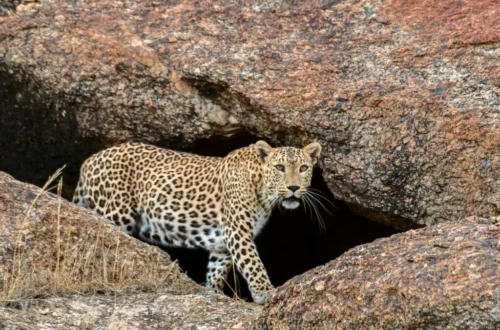
Tracking Royal Bengal Tigers across the rugged Aravalli and Vindhya hill ranges requires local terrain knowledge, patience, and an understanding of how wildlife moves through Ranthambore National Park. At Ranthambore tiger resort, our naturalists and safari coordinators regularly debrief guests returning from morning and afternoon game drives, giving us firsthand insight into territory shifts, waterhole activity, and seasonal movement patterns across the reserve. Whether you are staying at the best resort in Ranthambore for a weekend wildlife escape or planning a multi-day photography expedition, selecting the right sector inside the park significantly improves your chances of an unforgettable big cat encounter.
Understanding the Park Layout and Zone System
Ranthambore National Park spans over 1,334 square kilometers, though only about twenty percent of the forest is open to regulated tourism to ensure breeding tigresses and cubs remain undisturbed. To prevent vehicle congestion around predator sightings, the Forest Department divides the tourism area into ten distinct sectors. Understanding how each Ranthambore Safari Zone functions helps travelers set realistic expectations before entering the forest gates. Zones 1 through 5 form the historic core area, famous for permanent lakes and dense prey populations, while Zones 6 through 10 serve as buffer corridors that offer quieter, uncrowded wilderness experiences.
Core Zones 1 to 5: High-Density Tiger Territories
The central five zones remain the most sought-after routes because perennial water bodies attract sambar deer, spotted deer, and predators throughout the year.
- Zone 1 (Singhdwar and Tuti Ka Nalla): Entered through the iconic Singhdwar gate, this territory features rocky valleys, steep cliffs, and dense dhok forest. Resident females frequently use the secluded ravines around Amreshwar Dang and Sultanpur to raise young cubs, making early morning drives particularly rewarding.
- Zone 2 (Jhalra and Nal Ghati): Widely regarded by veteran guides as one of the most reliable sectors for consistent big cat activity, Zone 2 contains vital perennial waterholes. Tigers and leopards regularly patrol the trails connecting Jogi Mahal, Phuta Kot, and Kamaldha.
- Zone 3 (Padam Talao and Raj Bagh Ruins): Offering dramatic photography backdrops, this sector encompasses Padam Talao, Raj Bagh, and Malik Talao beneath the towering ramparts of Ranthambore Fort. Dominant tigresses often rest near the water edges during warmer afternoons.
- Zone 4 (Lakkad Da and Berda): Historically renowned as the kingdom of the legendary tigress Machli, Zone 4 blends thick bamboo clusters with open meadows. Sightings frequently occur near Adidaant and the forested fringes of Malik Talab.
- Zone 5 (Kachida Valley and Bagdah): Acting as a vital wildlife transit corridor between neighboring core territories, Zone 5 features open grasslands where predators can be tracked across longer distances. Keep binoculars trained on the water points around Jokha and Bakola.
Buffer Zones 6 to 10: Offbeat Wilderness and Scenic Drives
While many first-time visitors focus exclusively on the core area, seasoned wildlife enthusiasts appreciate the outer zones for low vehicle traffic and uninterrupted tracking.
- Zone 6 (Kundal): Bordering Zone 1, Kundal features expansive grasslands framed by dramatic rocky escarpments. Tigers frequently cross into this territory from the core, and birdwatchers can spot endangered red-headed vultures overhead.
- Zone 7 (Chidikho): Located in rugged, hilly terrain, Zone 7 rewards patient trackers near Jamoda and Kushalipura with peaceful, unhurried big cat encounters.
- Zone 8 (Balas): Sharing similar topography with Zone 7, Balas offers excellent chances to spot both tigers and elusive leopards navigating rocky outcrops around Mahakho and Kali Bhat.
- Zone 9 (Kuwalji): Situated along the riverine fringes away from main tourist circuits, Kuwalji hosts tigers alongside sloth bears, striped hyenas, and rare caracals.
- Zone 10 (Aantri): Accessed via the Bhand Pur gate, this hilly, forested sector has become a dependable territory for dominant males and tigresses raising sub-adult cubs near Bodal and Halonda.
Choosing the Right Safari Vehicle and Timing
Selecting between a six-seater open Gypsy and a twenty-seater Canter Safari in Ranthambore depends on your group size and booking window. Gypsies navigate narrow forest tracks quietly, whereas larger open buses cover main arterial trails effectively and offer elevated vantage points across tall grass. Regardless of vehicle choice, the Forest Department assigns zones via an automated roster system to maintain ecological balance, meaning permits should be reserved at least sixty to ninety days in advance.
Practical Field Tips for Better Sightings
Maximizing your wildlife experience requires ethical jungle etiquette and smart preparation:
- Prioritize Morning Shifts: Predators are most active during cool dawn hours when alarm calls from langurs and spotted deer echo clearly through the quiet forest.
- Visit During Peak Visibility Months: From March through May, dry deciduous trees shed their leaves and receding water sources draw tigers predictably toward permanent lakes.
- Dress in Earthy Tones: Wear muted olive, khaki, or brown clothing and avoid strong perfumes that can alert wildlife to human presence.
- Listen to Your Guide: Experienced local drivers and naturalists read pugmarks, fresh drag marks, and bird alarm calls far better than relying on luck alone.
No safari operator can ever guarantee a wild tiger sighting, because every animal roams freely across vast, unfenced territories. However, combining strategic zone planning with multiple game drives across different shifts ensures you experience the true ecological richness of Ranthambore.