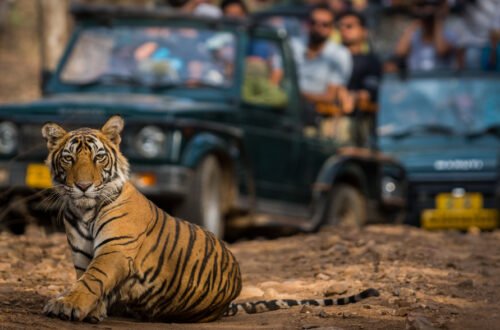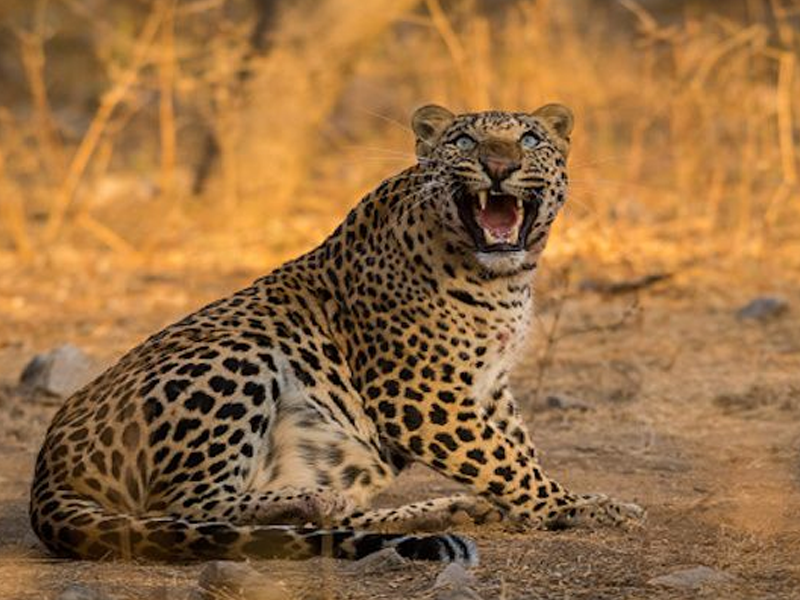
Navigating the ancient granite rock formations of Jawai in Rajasthan offers one of the most distinctive wilderness experiences in India. Unlike traditional national parks bounded by strict fence lines, Jawai’s wilderness is an open landscape where wild leopards, sloth bears, Indian wolves, and migratory birds thrive alongside the indigenous Rabari community. This unique harmony makes every wildlife drive thrilling, yet it also places a profound responsibility on every visitor.
At The Jawai Sagar, we believe that an exceptional wilderness adventure is built on respect, expert tracking, and strict adherence to field safety protocols. Whether you are a seasoned wildlife photographer or a first-time explorer, following these essential safety guidelines ensures a secure and unforgettable excursion into the land of the leopard.
Navigating the Granite Hills: Why Safety Matters
The rugged terrain of Jawai consists of steep granite hills, dry riverbeds, and expansive scrubland. Leopards here are free-roaming apex predators accustomed to navigating steep rock faces and moving near human settlements without aggression. However, maintaining this delicate balance requires guests to behave predictably during drives.
When staying at a premier resort in jawai, your wilderness excursions are led by experienced local naturalists and skilled 4×4 drivers who understand animal behavior, terrain dynamics, and territorial boundaries. Following their professional guidance preserves both human safety and the natural instincts of Jawai’s wild residents.
Essential Dos During Your Safari
To maximize your chances of spotting wildlife while keeping everyone in your vehicle safe, keep these primary best practices in mind throughout your trip:
- Listen to Your Naturalist and Driver: Local guides possess years of field experience reading alarm calls from deer, monkeys, and birds. Follow their instructions immediately regarding when to remain still, when to prepare cameras, and how to position yourself safely.
- Wear Neutral, Earthy Colors: Choose clothing in shades of khaki, olive green, beige, or brown. Bright colors, stark whites, and reflective synthetic fabrics can startle animals or draw unnecessary attention across open landscapes.
- Remain Seated Inside the Vehicle: Open 4×4 Gypsies are designed to give unobstructed views while keeping you safe. Animals view the vehicle as a single, non-threatening object. Standing up, waving arms, or leaning far outside the frame breaks that profile and may intimidate or agitate nearby wildlife.
- Secure Your Camera Gear and Belongings: Safari routes cross uneven rocky slopes and dry riverbeds. Keep cameras, telephoto lenses, binoculars, and personal items strapped down or stowed safely to prevent loss or injury during sudden turns or steep inclines.
- Stay Quiet and Attentive: Lower your voice to a whisper when observing animals. Leopards have extremely keen hearing, and sudden speech or loud laughter can cause them to retreat into deep rock crevices.
Essential Don’ts to Protect Wildlife and Guests
Adhering to strict prohibitions is just as crucial as following positive safety habits. Avoid these critical mistakes during your safari:
- Don’t Disembark Without Permission: Never step out of your safari vehicle unless your naturalist directs you to a designated, safe vantage point or high-tea location. Walking unguided in wild terrain poses serious safety hazards.
- Don’t Use Flash Photography or Drones: Artificial flash startles animals and can cause temporary blindness or distress, especially during dusk or early morning drives. Unmanned aerial vehicles (drones) are strictly forbidden as they disrupt wildlife and violate local conservation policies.
- Don’t Feed or Entice Wildlife: Offering food to wild animals severely disrupts their natural hunting habits and creates dangerous human-wildlife conflicts. Enjoy observing their natural behaviors from a respectful distance.
- Don’t Litter or Consume Alcohol: Keep all plastic bottles, food wrappers, and trash inside your vehicle bag. Smoking and alcohol consumption are strictly prohibited during safari drives to prevent fire hazards and ensure complete alertness.
Respecting the Local Culture and Environment
Jawai’s ecosystem is a living testament to coexistence between humans and apex predators. The Rabari herders have shared these granite hills with leopards for generations, viewing them with reverence. As guests, respecting local traditions is an integral part of responsible wildlife tourism. Always ask for permission before taking portraits of village elders or pastoralists, and maintain respectful silence near village pathways and sacred hill shrines.
Packing and Preparation Checklist
To ensure maximum comfort and readiness across changing weather conditions in Jawai, keep this essential packing checklist in mind:
- Light cotton layers for warm afternoon sun and a warm jacket for chilly early mornings.
- High-quality binoculars and a zoom lens camera for distant sightings.
- Wide-brimmed hat, UV protection sunglasses, and reef-safe sunscreen.
- Reusable water bottle to stay hydrated during multi-hour outdoor drives.
Planning your wilderness adventure with an accredited operator ensures every safety measure is seamlessly integrated into your itinerary. Booking a curated Jawai leopard safari with experienced naturalists guarantees an authentic, thrilling, and safe encounter with Rajasthan’s celebrated big cats. By following these practical safety guidelines, you contribute directly to the preservation of Jawai’s pristine ecosystem while creating memories that last a lifetime.