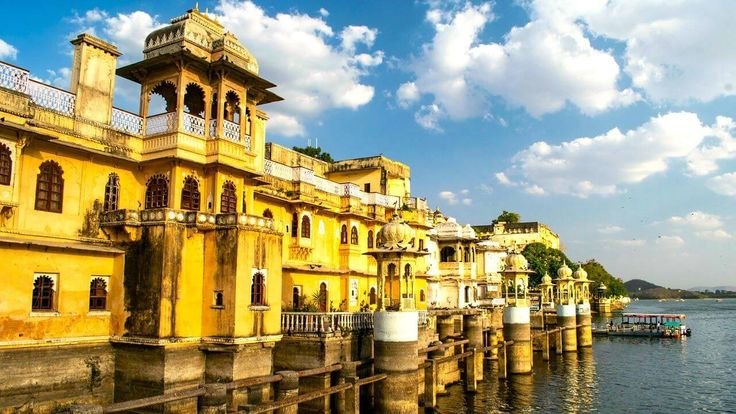
When you first catch a glimpse of the shimmering waters of Lake Pichola, it is easy to assume you’ve discovered the sole reason for the city’s fame. However, any traveler who has booked a taxi in Udaipur knows that the “City of Lakes” holds a depth that transcends its aquatic borders. While the water provides the canvas, the true “secret sauce” of Udaipur’s enduring popularity lies in its living heritage, its architectural defiance of time, and a hospitality culture that treats every visitor like a returning sovereign. It is a destination where the transition from a historic fortress to a bustling local market feels seamless, creating an immersive experience that resonates long after you have left the Aravali hills behind.
The Architectural Soul: Beyond White Marble
Udaipur’s popularity is anchored in its unique architectural identity. Unlike the “Pink City” of Jaipur or the “Blue City” of Jodhpur, Udaipur radiates a soft, pearlescent glow. This isn’t just about aesthetics; it is about the mastery of Mewari craftsmanship. The City Palace complex, a sprawling labyrinth of courtyards and balconies, represents nearly 400 years of continuous evolution. This architectural continuity allows visitors to witness the transition of eras within a single stone structure. The intricate peacock mosaics in the Mor Chowk and the delicate mirror work of Sheesh Mahal are not merely decorative elements—they are the physical manifestations of a proud lineage that refused to bow to external influences. This sense of preserved integrity is a major pillar of Udaipur’s appeal, offering an authenticity that is becoming increasingly rare in modern tourism.
A Journey Through Time: Navigating Heritage
To truly grasp why Udaipur remains at the top of travel bucket lists, one must venture into its narrow, winding lanes where history is still very much alive. A well-planned Udaipur sightseeing taxi tour often reveals that the city’s heart beats in places like Bagore-ki-Haveli or the ancient Jagdish Temple. These sites offer more than just a photo opportunity; they provide a sensory dive into a bygone era. At Bagore-ki-Haveli, the evening folk dances and puppet shows aren’t just performances for tourists—they are a preservation of the rhythmic soul of Rajasthan. The spiritual energy at Jagdish Temple, with its Indo-Aryan architecture and rhythmic chants, showcases the religious devotion that has anchored the local community for centuries. It is this blend of the monumental and the mundane that creates a rich tapestry for the modern traveler to explore.
The Group Experience: Shared Memories in the Aravalis
One of the overlooked aspects of Udaipur’s popularity is its versatility as a destination for collective travel. Whether it is a large family reunion, a destination wedding party, or a corporate retreat, the city scales beautifully to accommodate groups. Many visitors find that hiring a Tempo Traveller in Udaipur is the most efficient way to navigate the outskirts, such as the monsoon palace of Sajjangarh or the sprawling fort of Kumbhalgarh. Traveling together through the rugged Aravali landscape adds a layer of shared adventure to the trip. The ability to witness a sunset from the heights of Bansdara Hill or explore the artisan village of Shilpgram as a group fosters a sense of connection that individual travel sometimes lacks. Udaipur’s infrastructure has evolved to support these communal journeys, making it a preferred choice for those looking to build lasting bonds.
The Gastronomic Identity: A Taste of Mewar
While the views feed the soul, Udaipur’s culinary scene feeds the body with equal fervor. The popularity of the city is deeply tied to its distinct flavors. Mewari cuisine is a masterclass in using local ingredients like corn (makki), ker sangri, and spicy red chilies to create dishes that are both hearty and sophisticated. Sitting on a rooftop overlooking the city, dining on Lal Maas or Gatte ki Sabzi, provides a cultural context that no museum can replicate. The city has also embraced a vibrant cafe culture, where traditional snacks meet global palettes. This fusion ensures that Udaipur remains relevant to younger generations while maintaining its traditional roots. The hospitality here isn’t just a service; it is “Atithi Devo Bhava” in its purest form, where the warmth of the host is as memorable as the meal itself.
The Strategic Gateway: Exploring the Hinterlands
Finally, Udaipur’s popularity is bolstered by its role as a gateway to Southern Rajasthan. The city serves as the perfect base for exploring the historical giants surrounding it. From the impregnable walls of Chittorgarh Fort to the intricate marble carvings of the Ranakpur Jain Temple, the region is a treasure trove of Indian history. Udaipur acts as the refined, comfortable hub from which one can launch expeditions into the rugged past. This strategic location, combined with a modern transport network and a range of stay options—from budget guesthouses to the world’s most luxurious heritage hotels—ensures that Udaipur is not just a one-time stop, but a destination that warrants multiple visits. The secret sauce is, ultimately, a perfect balance: the tranquility of the lakes, the strength of the forts, the vibrancy of the markets, and the genuine warmth of the people who call this “White City” home.