Planning an escape to the wilderness requires fine-tuning your itinerary around nature’s internal clock. If you are searching for an immersive wildlife escape, booking your stay at a luxury resort in jawai serves as the initial step toward an unforgettable wilderness expedition. Nestled amid prehistoric granite formations and old-growth scrub, this unique ecosystem in Rajasthan delivers distinct visual and sensory transformations across different months. Evaluating how weather influences big cat behavior, migratory avian patterns, and regional temperatures ensures you align your holiday with your exact travel goals.
Winter Wonderland: The Peak Season (October to February)
The winter months represent the absolute pinnacle of travel to the Aravalli foothills, offering daytime temperatures between 10°C and 25°C. As the monsoon moisture recedes, the dense seasonal undergrowth quickly dries out, forcing prey species like nilgai, chital deer, and wild boars into clear, open spaces. This thinning brush creates an ideal environment for tracking apex predators.
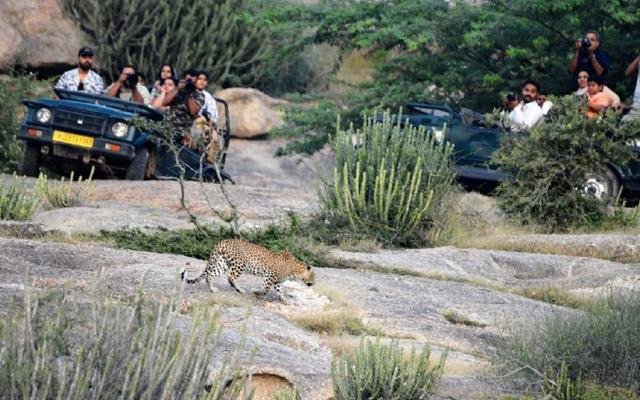
Because leopards are crepuscular creatures, meaning they are primarily active during dawn and dusk, the cool winter air encourages them to spend extended periods roaming or tracking prey along the granite ledges. Sighting success rates frequently soar past 80% during this peak window. Beyond the big cats, winter brings over 200 species of migratory birds to the nearby reservoir, including dramatic flocks of demoiselle cranes and flamingos. The local mugger crocodiles can also be seen hauled out along the sandy banks, soaking up the afternoon sun to regulate their body temperature.
Pre-Monsoon Thrills: The Dry Season (March to June)
When spring shifts into the intense dry summer months, temperatures scale up from 35°C to 45°C. While the midday heat requires staying indoors, this extreme dryness creates highly predictable wildlife behavior that plays directly to the advantage of patient tracking teams.
As natural rock cavities dry up, the local fauna is forced to converge on a few remaining permanent water sources. Leopards, looking to conserve energy, spend their afternoons resting under massive boulders and descending toward the water lines as the sun dips low. If you book an early morning or late afternoon leapard safari in Jawai, you gain access to high-contrast, dramatic wildlife encounters, with cats actively moving down the sheer rock faces to quench their thirst. The dry season also features significantly fewer tourist vehicles, allowing for quiet, unhurried observation alongside expert trackers.
Monsoon Serenity: The Emerald Transformation (July to September)
Monsoon season introduces an unexpected, striking visual shift as the dry, dusty plains transform into a vibrant, emerald paradise. The surrounding hills break into life with seasonal streams, and the massive dam reservoir replenishes its water levels.
For general tourists seeking high-frequency wildlife spotting, monsoon presents real challenges; the heavy rains can turn wilderness tracks slick and muddy, and the plentiful water allows wildlife to disperse deep into the high caves. However, for landscape photographers and seasoned trekkers, this off-beat window offers incredible rewards. The dramatic, storm-swept skies and lush green backdrops provide a stunning setting for capturing the region’s resident hyenas, sloth bears, and breeding bird populations. It is a peaceful, authentic side of the wilderness rarely seen by the winter crowds.
Maximizing Your Wilderness Base
Finding the right time to explore the wilderness is only half the puzzle; matching it with an elite base camp completes the experience. Returning from a dusty, sun-drenched track calls for a space focused on recovery and deep relaxation. Choosing an upscale Resort with Swimming Pool in Jawai allows you to unwind in crystal-clear waters while looking out over the rugged horizon where wild cats roam free. Seamlessly blending expert-led tracking excursions with premium hospitality turns a standard holiday into a deeply restorative journey into the heart of Rajasthan’s wild country.