Ranthambore National Park in Rajasthan stands as one of the premier wilderness reserves in India for observing the Royal Bengal Tiger in its natural habitat. Spanning dry deciduous forests, rugged hills, historic ruins, and open grasslands, this ancient hunting ground of the Maharajas of Jaipur offers wildlife enthusiasts an unmatched safari experience. Planning a three-day excursion allows sufficient time to explore varied safari zones, observe diverse flora and fauna, and experience local hospitality without rushing through the wilderness.
Day 1: Arrival, Settlement, and the Historic Fort
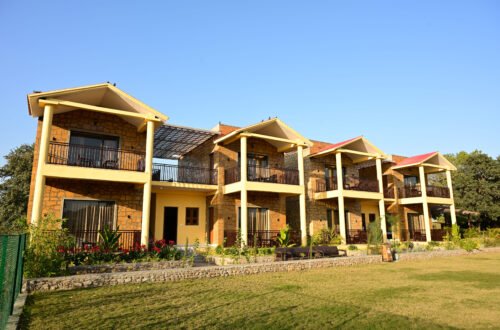
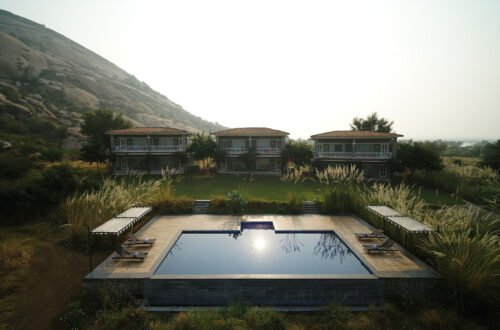
Your journey begins by arriving at Sawai Madhopur, the gateway town connected by major rail and road networks. Checking into a comfortable resort in Ranthambore sets the stage for a restful wilderness retreat, providing a peaceful base close to the forest gates.
Spend the afternoon visiting the 10th-century Ranthambore Fort, perched high on a cliff inside the park boundary. The UNESCO World Heritage site offers panoramic vistas over the lakes and forest canopy below. While walking through the ancient gateways, stepwells, and the revered Trinetra Ganesh Temple, keep an eye out for soaring raptors, langurs, and painted spurfowl along the battlements. Wrap up your first evening with a regional Rajasthani dinner and a briefing on early morning park protocols.
Day 2: Morning and Afternoon Forest Exploration
The second day is dedicated to deep forest tracks and tracking predator movement across designated zones. An early start ensures you enter the reserve right as the gates open and the morning mist rises over the lakes.
Understanding the Safari Zones
Ranthambore is divided into ten distinct eco-tourism zones to distribute vehicle traffic and preserve forest balance:
- Zones 1 to 5: These core areas surround the historic lakes—Padam Talao, Rajbagh, and Malik Talao. They feature iconic backdrops like the Jogi Mahal, dense dhok tree patches, and lush marshes, making them prime territory for tigresses with cubs, marsh crocodiles, and sambar deer.
- Zones 6 to 10: Added to expand tourism capacity, these peripheral zones offer dramatic rocky landscapes, deep gorges, and open plateaus. Zones 6, 7, and 8 often present quieter trails with reliable sightings of leopards, sloth bears, striped hyenas, and caracals alongside resident tigers.
After your morning drive, return to your lodge for lunch, relaxation by the pool, or a birdwatching walk around the resort perimeter. In the late afternoon, head out for your second drive to explore a contrasting zone during golden hour, when wildlife moves toward waterholes as temperatures drop.
Day 3: Final Wildlife Trail and Local Culture
Begin your final day with a third game drive to maximize your chances of catching elusive wildlife activity. Booking well-curated Ranthambore tour packages simplifies permit allocation, vehicle choices, and zone distribution across multiple safari slots.
After completing your morning drive and checking out, visit the local handicraft cooperatives run by rural women in Sawai Madhopur, such as Dastkar Ranthambore. These initiatives showcase traditional block-printing, patchwork, and pottery, offering an authentic cultural perspective to complement your wildlife encounters.
Essential Wildlife and Safari Planning Advice
A successful wildlife expedition requires preparation, patience, and adherence to park regulations.
Advance Permit Bookings
Park authorities operate a strict quota system for daily entries. Secure your safari permits months ahead through official portals or licensed operators to ensure access to preferred zones.
Vehicle Selection: Gypsy vs. Canter
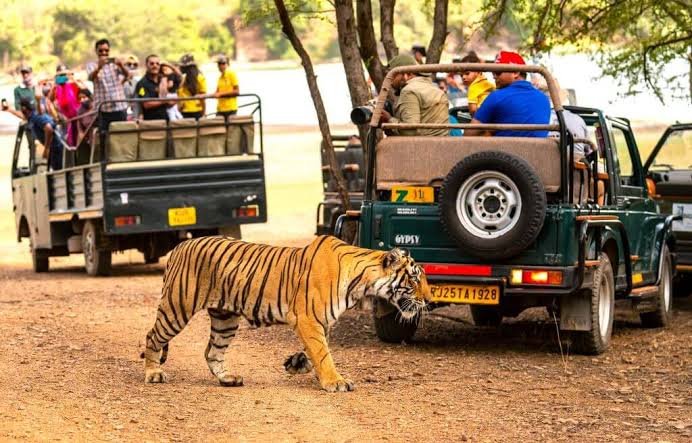
Visitors can choose between an open 6-seater 4×4 Gypsy and a 20-seater open Canter. While Gypsies offer greater maneuverability, lower engine noise, and flexible angles for photography, Canters provide higher elevated views over tall grasslands and accommodate larger groups efficiently.
Ethical Forest Conduct
Maintaining decorum during a jungle safari in Ranthambore protects wildlife and enhances sighting quality:
- Wear muted, earthy tones such as olive green, khaki, brown, and beige to blend into the surrounding vegetation.
- Maintain complete silence during sightings to prevent alarming animals near vehicle tracks.
- Keep cameras on silent shutter mode and never use artificial flash photography.
- Follow your naturalist guide’s instructions and never disembark from the safari vehicle inside park territory.
Packing and Seasonal Considerations
The winter season from October to March brings pleasant afternoon temperatures alongside brisk morning drives, necessitating warm thermal layers, gloves, and windproof jackets. The summer months from April to June feature higher daytime heat, yet dry vegetation and shrinking water bodies often lead to frequent animal congregations around remaining lakes. Carry high-SPF sunscreen, polarized sunglasses, a wide-brimmed safari hat, binoculars with at least 8x magnification, and personal hydration flasks on every drive to enjoy a comfortable and rewarding wilderness journey.