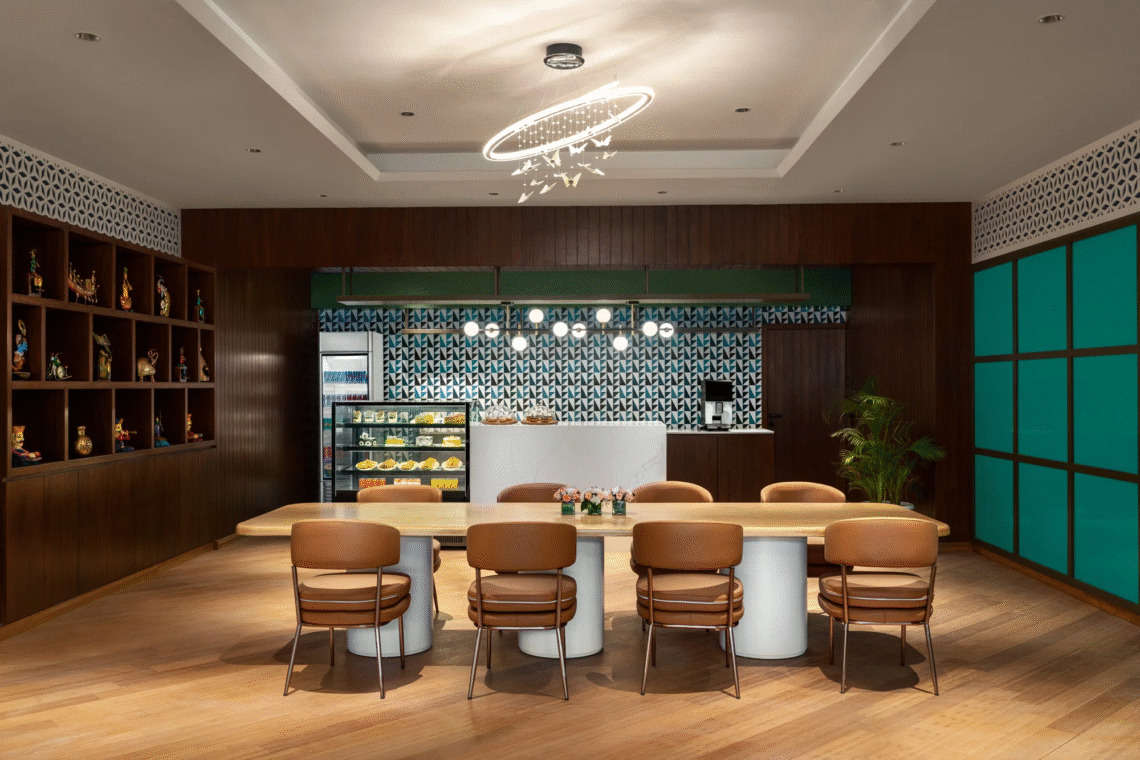
The travel and hospitality industry continues to evolve as guest expectations change rapidly. Modern travelers are no longer searching only for a place to sleep; they are looking for experiences that combine comfort, technology, convenience, and personalized services. Hotels around the world are adapting to these changing demands by introducing new trends that enhance customer satisfaction and redefine hospitality standards. As competition increases, businesses in the hospitality sector are embracing innovation to stay ahead and deliver memorable experiences.
Personalized Guest Experiences Are Becoming Essential
One of the biggest trends shaping hospitality is personalization. Guests now expect hotels to understand their preferences and provide customized experiences. From room settings and food choices to personalized recommendations and services, travelers appreciate experiences designed around their needs.
Hotels are using customer data and smart technology to understand guest behavior better. Whether someone prefers a specific room type, dining preference, or travel arrangement, personalization creates a stronger connection between hotels and guests. This approach not only improves customer satisfaction but also builds long-term loyalty.
Smart Technology Is Transforming Hotel Operations
Technology is becoming a major part of modern hospitality. Many hotels now offer mobile check-ins, keyless room entry, voice-controlled systems, and digital concierge services. These innovations simplify the guest experience and reduce waiting time.
Artificial intelligence is also helping hotels improve customer service. Chatbots, automated booking systems, and digital assistants are becoming common features that provide quick support and improve operational efficiency. Hotels that integrate advanced technology successfully create seamless experiences while increasing productivity.
Sustainability Is Influencing Hospitality Decisions
Environmental awareness has become a key factor in travel choices. Travelers increasingly prefer hotels that focus on sustainable practices and responsible tourism. Hospitality businesses are responding by reducing waste, conserving energy, minimizing plastic use, and adopting eco-friendly initiatives.
Modern hotels are implementing energy-efficient lighting systems, water conservation methods, and sustainable sourcing practices. Guests appreciate brands that demonstrate responsibility toward environmental protection. Sustainability is no longer simply a trend; it is becoming a core business strategy for future hospitality growth.
Luxury Is Evolving Beyond Traditional Expectations
Luxury in hospitality has moved beyond expensive interiors and premium facilities. Today’s travelers associate luxury with comfort, privacy, exclusivity, and unique experiences. Hotels are focusing on creating spaces that feel personalized and relaxing rather than simply extravagant.
Travelers seeking refined experiences often look for spacious accommodations that combine style with functionality. Many guests searching for premium comfort explore options such as luxury rooms in udaipur because modern luxury now focuses on delivering convenience and memorable experiences together.
Hotels Are Becoming Multi-Purpose Destinations
Hotels are no longer limited to accommodation services alone. They are evolving into complete lifestyle destinations where guests can work, socialize, celebrate, and relax. Business meetings, social gatherings, weddings, and corporate functions are increasingly being hosted within hotel spaces.
Many hospitality businesses are expanding their offerings to meet this demand by creating flexible event spaces and professional facilities. Businesses and event planners often prefer venues that provide accommodation and event services under one roof, making options like event venue in udaipur increasingly valuable for various occasions.
Wellness Tourism Continues to Rise
Health and wellness have become important priorities for modern travelers. Hotels are adapting by incorporating wellness-focused services such as fitness centers, spa experiences, yoga sessions, healthy dining options, and relaxation areas.
Many guests want travel experiences that support both physical and mental well-being. Hotels are designing spaces that encourage relaxation and balance, recognizing that wellness services can significantly improve guest satisfaction. As wellness tourism grows, hotels that provide holistic experiences gain a competitive advantage.
Flexible Travel Experiences Are Driving Change
The rise of remote work and changing travel patterns has created demand for more flexible hospitality services. Guests increasingly combine business with leisure travel and seek environments suitable for both productivity and relaxation.
Hotels are responding by offering co-working spaces, high-speed internet access, longer stay packages, and adaptable room configurations. The concept of “work from anywhere” has transformed how hotels design services and facilities. Travelers now prioritize convenience and flexibility when selecting accommodations.
Digital Presence Is More Important Than Ever
Travelers depend heavily on online research before making booking decisions. Strong digital visibility, user-friendly websites, and positive customer reviews play a major role in attracting guests. Hotels are investing more in digital marketing strategies and online engagement.
Businesses that maintain a strong online presence often gain greater visibility and customer trust. Travelers searching for comfortable accommodations frequently consider options such as hotel in udaipur while exploring trusted hospitality choices and comparing available experiences.
The Future of Hospitality Is Experience Driven
The future of travel and hospitality will continue to be shaped by innovation, personalization, sustainability, and evolving customer expectations. Hotels that embrace these trends will be better positioned to create meaningful experiences and maintain strong relationships with guests.
As traveler preferences continue changing, hospitality businesses must remain adaptable and customer-focused. The hotels that succeed in the future will not simply provide accommodation; they will create memorable experiences that inspire guests to return again and again.