When most travelers visualize Rajasthan, their minds instantly drift toward golden sand dunes, sun-baked fortresses, and arid desert expanses stretching to the horizon. However, those of us who have traversed the Land of Kings between July and September know a completely different story. As the monsoon clouds roll over the ancient Aravalli and Vindhya ranges, the region sheds its dusty summer coat and undergoes a breathtaking transformation. Dry riverbeds brim with freshwater, seasonal waterfalls cascade down rugged cliff faces, and the wilderness bursts into vibrant hues of emerald green. For nature lovers, wildlife enthusiasts, and travelers looking for an offbeat journey, exploring monsoon Rajasthan reveals an intimate, serene side of the state that remains hidden during the dry winter peak.
The Dramatic Transformation: Arid Desert to Emerald Paradise
The arrival of the monsoon breathes fresh energy into Rajasthan’s unique ecosystems. The ancient Aravalli hills, among the oldest mountain ranges in the world, turn into velvety green slopes shrouded in morning mist. Pastoral communities drive their herds across lush pastures, while urban lakes in cities like Udaipur and Ajmer fill to capacity, creating picturesque reflection pools framed by monsoon clouds.
Navigating these rain-soaked landscapes requires seasoned local insights to find the best routes and hidden viewpoints. Partnering with a trusted travel specialist like Rajasthan Yatra – Rajasthan travel agency ensures you experience these hidden ecological gems safely and comfortably, whether you are seeking serene lakeside retreats or adventurous forest drives.
Thriving Sanctuaries & Open Safari Zones
A common misconception among travelers is that wildlife tourism completely shuts down across Rajasthan during the rainy months. While core safari gates in select national parks pause operations from July through September to give wildlife an undisturbed breeding period, the adventure never truly stops.
In Ranthambore National Park, buffer zones (specifically Zones 6 through 10) remain fully accessible for jungle safaris throughout the monsoon. Driving through these open zones presents a mesmerising contrast: Bengal tigers, leopards, sloth bears, and herds of sambar deer tread through rain-washed foliage rather than dry yellow brush. The dense green canopy creates a moody, captivating backdrop for wildlife photography, while the fresh scent of moist earth makes every safari drive deeply refreshing.
Further south, the Kumbhalgarh Wildlife Sanctuary and Sajjangarh Biological Park offer incredible monsoon encounters. The dense forests around Kumbhalgarh Fort become a sanctuary for chinkaras, Indian wolves, and leopards, surrounded by roaring waterfalls and mountain streams that cut through the jungle valleys.
Misty Hills and Romantic Retreats in Mount Abu & Udaipur
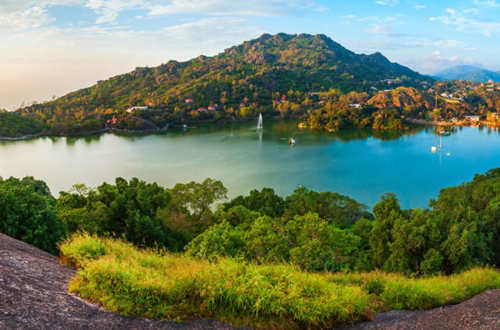
For couples seeking a quiet getaway amidst nature, Rajasthan in the monsoon feels like a dreamscape. Mount Abu, the state’s only hill station, emerges as the ultimate green retreat during the rains. Sitting high in the Aravallis, Mount Abu experiences cool temperatures, rolling fog, and overflowing natural tanks such as Trevor’s Tank—a tranquil forest lake where crocodiles and local bird species flourish in the lush surroundings. Walking hand-in-hand along foggy nature trails around Nakki Lake or gazing at cloud-wrapped valleys from Sunset Point offers a slow-paced, intimate holiday experience.
Similarly, Udaipur—the City of Lakes—blossoms during the monsoon season. Monsoon palaces like Sajjangarh offer panoramic views of rain-drenched hills and sparkling lakes below. If you are dreaming of a cozy, mist-kissed getaway, booking a customized romantic Rajasthan tour allows you to experience private lake cruises, boutique heritage stays with rain views, and guided walks through blooming botanical gardens.
Birdwatching Paradise at Keoladeo Wetlands
For birdwatchers and naturalists, the monsoon marks the start of an extraordinary biological event at Keoladeo National Park in Bharatpur. A UNESCO World Heritage Site, Bharatpur’s wetland complex fills with fresh rainwater, transforming shallow depressions into rich breeding grounds.
Thousands of resident waterbirds, including painted storks, grey herons, egrets, cormorants, and Eurasian spoonbills, begin building nests atop acacia trees scattered across the marshes. Cycling or taking a rickshaw ride through the quiet paved trails of Bharatpur during a gentle monsoon drizzle is one of the most peaceful birdwatching experiences in Asia.
Practical Tips for Planning Your Rainy Season Adventure
To make the most of your monsoon journey through green Rajasthan, keep these expert travel tips in mind:
- Pack Smart: Lightweight, quick-dry clothing, water-resistant hiking shoes with strong grip, and quality rain protection gear for your camera and electronics are essential.
- Book Comfortably: Heavy rainfall makes reliable ground transportation vital. Opting for a bespoke luxury Rajasthan tour ensures comfortable chauffeur-driven vehicles tailored for rain-soaked mountain roads, alongside stays at premium heritage resorts equipped with high-end indoor amenities.
- Embrace Slow Travel: Monsoon weather can bring sudden showers, which are best enjoyed by slowing down your itinerary. Take time to relish hot pyaaz kachoris and steaming masala chai at scenic roadside stops while watching the rain wash over historic stone structures.
Exploring Rajasthan during the rainy season allows you to connect with nature in its purest, most vibrant state. Away from the heavy winter crowds, monsoon Rajasthan invites you to pause, breathe in the rain-soaked air, and discover a serene wilderness that stays with you long after the journey ends.