Rajasthan, famous for its royal heritage and golden deserts, also shelters some of India’s most captivating natural landscapes. The state contains varied ecosystems ranging from dry deciduous forests to granite hills and wetland sanctuaries. Deciding which wildlife reserve fits your travel expectations requires understanding what each region uniquely provides.
1. Ranthambore National Park: The Prime Big Cat Realm
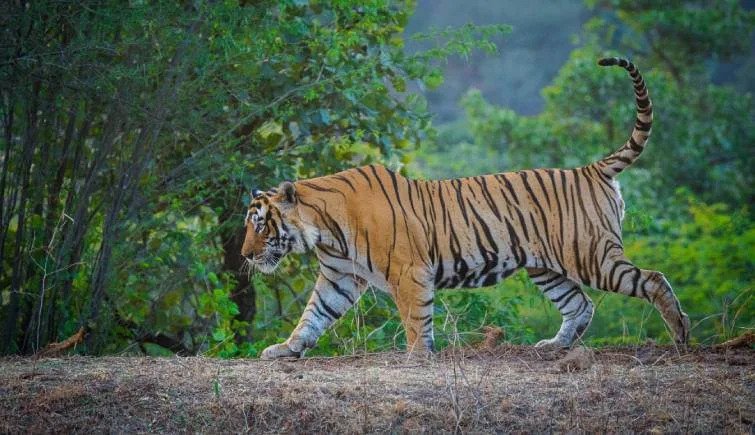
Situated in the Sawai Madhopur district, Ranthambore stands as the premier destination for wildlife lovers seeking the Royal Bengal Tiger. Spanning across rugged terrain marked by ancient ruins and scenic lakes, this reserve offers high tiger sighting probabilities.
+------------------+------------------------------------+
| Feature          | Details                            |
+------------------+------------------------------------+
| Primary Wildlife | Royal Bengal Tiger, Leopard, Hyena |
| Top Attraction   | Historical Ranthambore Fort        |
| Landscape        | Deciduous forest, hills, lakes     |
+------------------+------------------------------------+
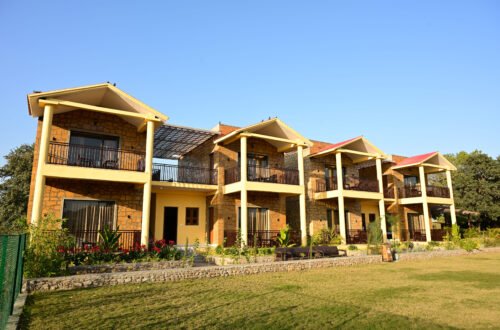
Visitors planning a trip here can stay at Ranthambore Tiger Resort – Resort in Ranthambore for a seamless stay right on the edge of the wilderness. Booking a jeep safari in Ranthambore allows travelers to navigate deep inside designated core zones where big cats roam. Understanding the official Ranthambore safari tariff beforehand helps ensure smooth permit allocations for morning and evening drives.
2. Sariska Tiger Reserve: A Quiet Forest Escape
Located in the Aravalli Hills near Alwar, Sariska offers a tranquil alternative for wildlife enthusiasts. The landscape comprises steep cliffs, valley views, and dense dry vegetation.
Key Highlights of Sariska
- Proximity to Urban Centers: Easy access from Delhi and Jaipur makes it ideal for quick weekend excursions.
- Historical Landmarks: Features the 17th-century Kankwari Fort and ancient temples located within park borders.
- Diverse Fauna: Home to tigers, chitals, sambars, and jungle cats flourishing across wide valleys.
3. Jawai Leopard Reserve: Granite Hills and Big Cats
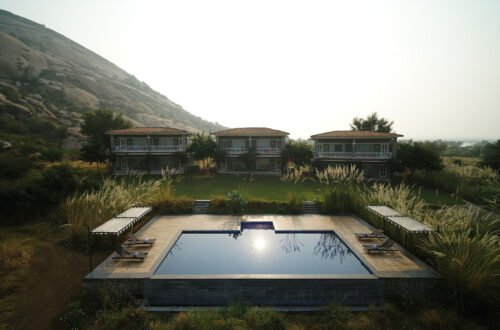
Jawai presents a rare ecosystem where wild leopards co-exist with indigenous Rabari pastoralists amidst towering granite monoliths.
What Makes Jawai Unique
- Unfenced Wilderness: Leopards roam freely around hill outcrops rather than within enclosed national park boundaries.
- High Sightings Rate: Open rock faces make spotting these nocturnal predators during day drives common.
- Avian Diversity: The Jawai Dam reservoir attracts thousands of migratory birds during winter months.
4. Keoladeo National Park: A Avian Haven in Bharatpur
For travelers focused on birdlife, Keoladeo offers a completely different experience compared to big-cat parks.
+------------------+------------------------------------+
| Feature          | Details                            |
+------------------+------------------------------------+
| Primary Wildlife | Waterfowl, Pelicans, Storks, Cranes|
| World Heritage   | Recognized UNESCO World Heritage   |
| Safari Mode      | Bicycle, Rickshaw, or Walking Trails|
+------------------+------------------------------------+
Thousands of waterfowl arrive annually from Siberia and Central Asia, making this wetland ecosystem a world-class birdwatching center.
Comparative Guide: Selecting Your Park
- For High Tiger Sighting Odds: Choose Ranthambore National Park due to open forest tracks and monitored zones.
- For Unique Terrain and Leopards: Choose Jawai Leopard Reserve for rocky hill drives.
- For Peaceful Forest Drives: Choose Sariska Tiger Reserve to avoid massive crowds.
- For Birdwatching Enthusiasts: Choose Keoladeo National Park in Bharatpur.
Selecting the ideal safari destination depends entirely on your target wildlife sightings, preference for wilderness density, and travel pace.