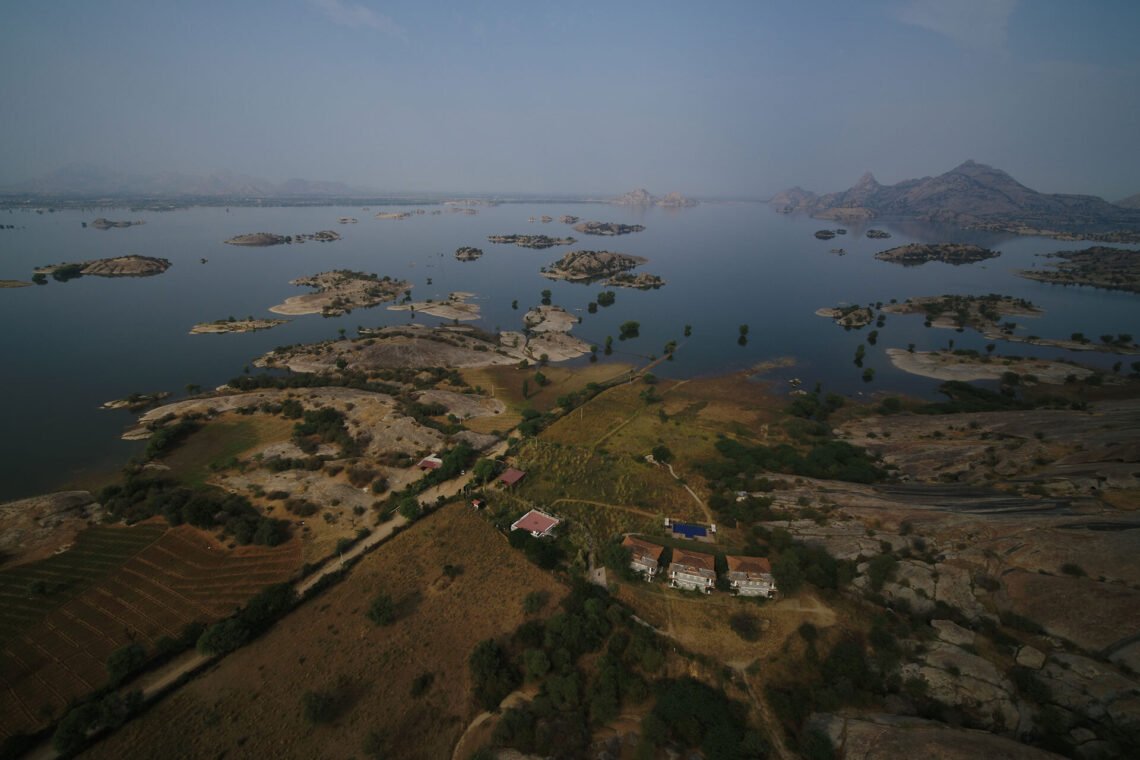
Jawai, carved out of billion-year-old granite formations and cradled by the tranquil waters of the Jawai Bandh, offers an untamed landscape unlike anywhere else in India. Here, rugged hills rise dramatically from scrubland, migratory birds congregate along lake shores, and big cats roam freely among sacred cave temples. Planning an authentic wilderness retreat in this unique ecosystem requires a thoughtful balance between comfort, ecological respect, and immersion into the local culture.
Understanding the Landscape of Jawai
The terrain of Jawai in southern Rajasthan is celebrated for its coexistence between wildlife and the indigenous Rabari pastoral community. Unlike dense jungle sanctuaries where wildlife sightings are obscured by thick foliage, Jawai features vast granite kopjes that provide wide-open vantage points.
Leopards in this region have made the natural rock fissures and cave shelters their home for centuries. Choosing the right wilderness stay means finding a property that honors this fragile balance while providing undisturbed panoramic views of the hills and water bodies.
Key Factors When Choosing Your Wilderness Retreat
Selecting where to stay in the rugged hills of Pali district involves evaluating accessibility, aesthetic integration with nature, and responsible hospitality.
Harmonious Architecture and Location
A true wilderness stay should never feel disconnected from its surroundings. Look for accommodations built using local stone, sustainable materials, and open layouts that frame the rocky horizons. Properties situated close to seasonal streams or facing the ancient rock outcrops offer immediate visual access to the wild, allowing you to watch the sunset paint the granite ridges in amber hues.
Modern Comforts and Amenities
While the primary allure of Jawai is raw adventure, the physical environment demands high standards of hospitality. After hours spent traversing dusty trails, guests appreciate well-curated spaces where they can unwind. Exploring the available resort facilities in Jawai will help you assess whether a property offers climate-controlled suites, private decks, wellness amenities, and tailored dining that highlights regional culinary heritage.
Proximity to Wildlife Corridors
Positioning is essential for wilderness photography and wildlife observation. Staying near key vantage points minimizes transit times during early morning excursions, ensuring you reach scenic outcrops right as the desert sun emerges.
Experiencing the Wilderness Up Close
A trip to Jawai is incomplete without stepping directly into the habitat of its apex predators and avian visitors.
A dedicated Jawai leopard safari led by experienced local naturalists offers an unparalleled opportunity to witness these majestic felines resting atop sun-warmed rocks. Local trackers understand the movement patterns of individual leopards, the territorial boundaries across various hills, and the subtle alarm calls of peacocks and langurs.
Beyond big cats, the seasonal reservoir of Jawai Bandh transforms into a thriving wetland sanctuary. From October through March, thousands of migratory birds—including bar-headed geese, flamingos, and sarus cranes—gather across the water, alongside marsh crocodiles sunning themselves on sandbanks.
Immersion in Rabari Heritage
The true soul of Jawai lies in the harmony shared between the wildlife and the Rabari community. Recognized by their crimson turbans, silver ornaments, and pastoral routines, the Rabari shepherds have grazed livestock across these hills for generations without systemic conflict with leopards.
Engaging in guided village walks and interacting respectfully with community elders reveals deep-seated spiritual traditions that view leopards as sacred guardians of local shrines. Staying at a retreat that fosters genuine, respectful relationships with nearby villages ensures your journey supports community-based conservation.
Practical Tips for Planning Your Visit
- Best Time to Travel: The winter months from October to March provide crisp mornings and mild afternoons, ideal for birdwatching and open-vehicle exploration.
- Duration: A minimum stay of two to three nights allows sufficient time to take multiple safaris, explore the reservoir, and appreciate the rhythm of village life.
- Packing Essentials: Neutral-toned clothing, a wide-brimmed hat, sturdy walking shoes, quality binoculars, and a high-zoom camera lens are essential for tracking wildlife across the granite formations.
Finding the Right Base for Your Journey
When curating your itinerary, choosing a premier resort in Jawai ensures your stay combines understated luxury, local insight, and responsible tourism. The Jawai Sagar offers a refined gateway to this ancient terrain, creating personalized wilderness experiences that connect travelers directly to the heart of the wild.
By prioritizing sustainable operations, expert local guiding, and serene natural settings, your stay in Jawai becomes more than a simple holiday—it becomes an unforgettable journey into one of the world’s most fascinating wildlife landscapes.