The Aravalli Range undergoes an extraordinary transformation between July and September. Dry scrublands and rocky hilltops turn into lush, misty green valleys as seasonal waterfalls appear along the winding highway. Navigating the ghat sections from Udaipur to Kumbhalgarh during the monsoon demands clear preparation, local route awareness, and dependable transportation. Having assisted thousands of travelers across these mountain corridors, our team has compiled this practical travel guide to help you explore Kumbhalgarh Fort and its surrounding wilderness safely and comfortably during the rainy season.
Why Monsoon Is the Best Time for a Kumbhalgarh Road Trip
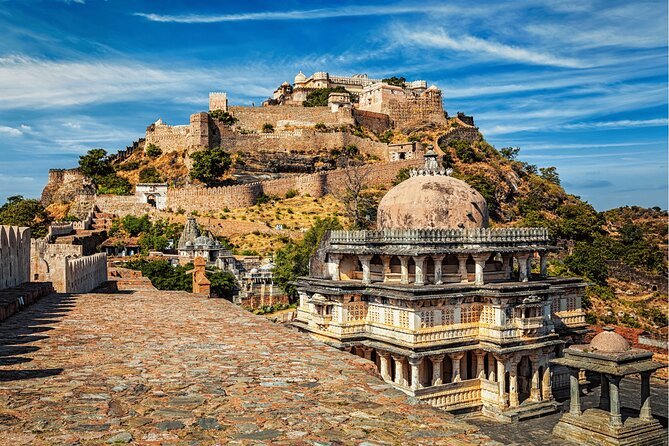
Monsoon reveals a completely different side of Southern Rajasthan. Kumbhalgarh sits at an elevation of over 1,000 meters above sea level, making it significantly cooler than the surrounding plains. During peak monsoon months, clouds drift directly through the ramparts of Kumbhalgarh Fort, creating sweeping panoramic views across the forested valleys of the sanctuary.
Driving through the Aravalli hills in the rain is an experience in itself. Seasonal streams crisscross the landscape, and local roadside stalls serve piping hot tea and fresh corn. However, monsoon driving in hill terrains introduces specific challenges, including wet asphalt, reduced visibility due to dense fog, and occasional loose gravel on sharp curves. Selecting a seasoned driver who understands local road nuances ensures you enjoy the scenery without the stress of navigating slippery mountain turns.
Planning the Journey: Route and Travel Logistics
The drive from Udaipur to Kumbhalgarh covers approximately 85 to 90 kilometers and takes roughly 2 to 2.5 hours depending on rain intensity and traffic.
The most dependable route runs via NH58 and the Kelwara road:
- Start from Udaipur toward Gogunda via NH58.
- Continue past Iswal toward Kelwara.
- Ascend the ghat section from Kelwara directly up to the Kumbhalgarh Fort gates.
The road condition is generally well-maintained, but rain can cause water pooling along lower stretches and heavy fog along the upper climbs. For solo travelers, couples, or small families seeking a smooth direct pickup from the airport or railway station, booking a certified taxi in Udaipur provides door-to-door convenience with local drivers trained in monsoon highway safety.
Larger groups, multi-family parties, or photography tours traveling together with substantial luggage can instead hire tempo traveller in Udaipur to ensure ample legroom, high ground clearance on wet ghats, and dedicated overhead luggage compartments.
Top Attractions to Cover on a Kumbhalgarh Sightseeing Tour
Kumbhalgarh offers a balanced blend of medieval Rajput architecture, spiritual landmarks, and biodiversity. Here are the essential stops to include in your day plan:
1. The Mighty Kumbhalgarh Fort
Built by Rana Kumbha in the 15th century, this UNESCO World Heritage Site boasts the second-longest continuous wall in the world, extending over 36 kilometers.
- Badal Mahal (Palace of Clouds): Located at the highest point of the fort, offering 360-degree views of cloud-covered Aravalli peaks.
- Neelkanth Mahadev Temple: A historic Shiva temple featuring an impressive stone lingam and intricate pillars.
- Evening Light and Sound Show: A daily 45-minute performance starting at 6:45 PM that narrates the history of the Mewar kingdom.
2. Kumbhalgarh Wildlife Sanctuary
Spanning across the Aravalli range, this sanctuary becomes vibrant green in the monsoon. While jeep safaris operate subject to daily rainfall conditions, birdwatching along the periphery is exceptionally rewarding during August and September.
3. Ranakpur Jain Temple (Optional En-Route Extension)
Located around 35 kilometers from Kumbhalgarh, Ranakpur is famous for its 15th-century marble temple featuring 1,444 uniquely carved pillars. Combining Kumbhalgarh and Ranakpur into a single day trip is one of the most popular regional itineraries.
Booking a dedicated kumbhalgarh sightseeing taxi allows you the flexibility to manage your own sightseeing pace, pause for photographs at scenic lookout points, and visit Ranakpur without waiting for irregular rural transit.
Practical Safety Tips for Monsoon Sightseeing
Walking and exploring ancient stone structures during rainy weather requires basic caution:
- Footwear Selection: Wear water-resistant shoes with strong rubber tread. The cobblestones and stone staircases inside the fort become slick when wet.
- Rain Gear: Carry a compact windproof umbrella or a lightweight poncho. Ridge winds at Badal Mahal can be strong enough to invert standard umbrellas.
- Timing Your Ascent: Aim to reach the fort by 9:00 AM to explore the outdoor ramparts before heavy afternoon showers or thick fog rolls in.
- Vehicle Checks: Ensure your transport has verified tire tread depth, functional fog lamps, and fresh wiper blades before heading into the hills.
Exploring Kumbhalgarh during the monsoon offers an unforgettable glimpse into Rajasthan’s green heritage. With the right route planning and a dependable vehicle, your trip through the mist-shrouded Aravallis will be both relaxing and memorable.