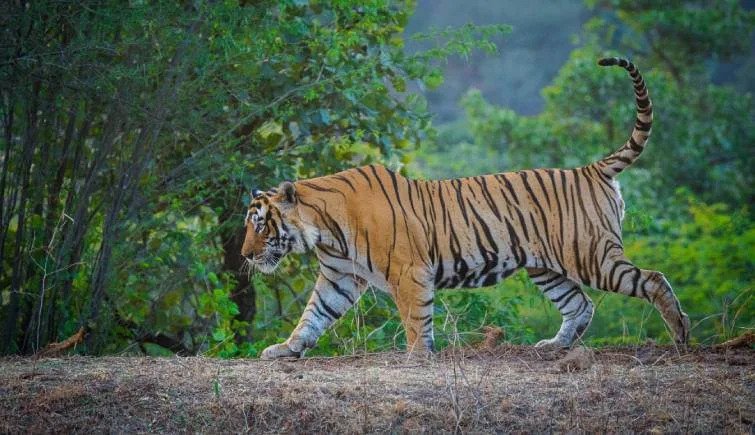
Ranthambore National Park stands as one of Northern India’s premier wildlife reserves, renowned globally for its thriving population of Royal Bengal tigers and rich biodiversity. Spanning rugged terrain across the Sawai Madhopur district of Rajasthan, the reserve presents an intricate tapestry of dry deciduous forest, open grassy meadows, and ancient ruins. To manage visitor flow sustainably and minimize ecological disturbance to wildlife habitats, the forest department has divided the park into ten distinct tourism sectors. Navigating these territories requires a clear understanding of their geographical layout, historical topography, and typical wildlife movement patterns.
Understanding the Landscape and Safari Structure
The tourism area is formally separated into two broader sectors: Zones 1 through 5, historically classified as the core tourism areas, and Zones 6 through 10, designated as the buffer or outer routes. Each sector features a distinct route network, varied water sources, and specific terrain characteristics that influence both predator movements and general biodiversity.
Safaris are operated twice daily—morning and late afternoon—under the supervision of authorized forest department naturalists and registered vehicle drivers. Entering an allocated Ranthambore Safari Zone allows wildlife enthusiasts to observe tigers, leopards, sloth bears, striped hyenas, and an extensive array of bird species in their native environment.
The Core Sectors: Zones 1 Through 5
The initial five sectors harbor some of Ranthambore’s most iconic landscapes, centered around natural lakes, fort ruins, and dense valley paths.
Zone 1: Singhdwar to Sultanpur
Zone 1 enters through the Singhdwar checkpoint and winds through deep ravines, water points like Tuti Ka Nala, and scenic viewpoints such as Sultanpur Baburchi. The area features steep cliffs alongside dense scrub, providing suitable shelter for both tigers and leopards. Common sightings here include spotted deer, sambar, and varied raptors resting atop dry tree snags.
Zone 2: Jhalra and Parniya
Recognized for scenic rocky outcrops and perennial watering holes, Zone 2 encompasses points such as Jhalra, Phuta Bandha, and Parniya. Its relatively open trails and consistent water distribution make it a dependable route for tracking carnivores during both summer months and winter mornings. Sloth bears and marsh crocodiles are also observed regularly near water bodies.
Zone 3: The Lake District
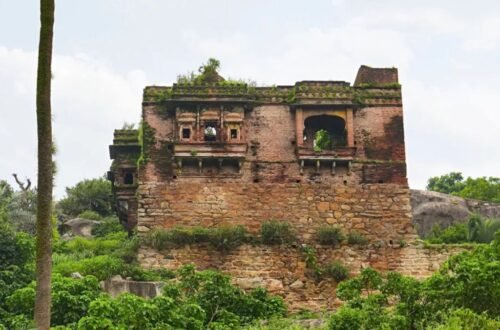
Zone 3 is often celebrated for picturesque historical scenery, passing directly by Padam Talao, Rajbagh Lake, and Malik Talao. The backdrop of Jogi Mahal and the Ranthambore Fort adds architectural grandeur to wildlife tracking. Tigers frequently patrol the edges of these shallow lakes to hunt ungulates that graze on aquatic vegetation.
Zone 4: Tamakhan and Semli
Bordering the lakes and extending inward toward Lakarda and Berda, Zone 4 offers dense canopy sections alongside wide, sandy tracks. Its natural springs and stone-lined stream beds draw herbivores consistently, leading to regular predator activity across seasonal shifts.
Zone 5: Kachida and Bakola
Zone 5 shares several initial pathways with Zone 4 before branching out toward Jokha, Takiya, and Bakola. The landscape transitions into dry forest valleys and ridges where birds of prey, Indian gazelles, and tigers navigate rocky ledges.
The Outer Sectors: Zones 6 Through 10
Developed to alleviate tourism pressure on the inner lake corridors, Zones 6 through 10 have emerged as rewarding safari alternatives with distinct topographies.
Zone 6: Kundal
Entering through a different perimeter gate, Kundal features expansive open grasslands surrounded by barren ridges. The high visibility across its flatter terrain facilitates wildlife photography, particularly for tracking resident tigers, blue bulls, and jungle cats.
Zone 7: Chidikho
Zone 7 traverses steep hillocks and deep gorges, leading toward plateau viewpoints such as Chidikho. The rugged altitude creates natural corridors preferred by leopards and sloth bears, while birdlife thrives along the shaded rock crevices.
Zone 8: Balas
Adjacent to Zone 7, Balas features dry hill slopes and rocky valley floors. Its varied elevation provides scenic vantage points across the surrounding Aravali and Vindhya ranges, making every drive an engaging excursion through untouched wilderness.
Zone 9: Kuwalji
Located along the banks of the Chabal river ecosystem near Qualji, Zone 9 represents an extended habitat corridor. The route is particularly notable for birdwatching, aquatic wildlife like gharials, and wandering big cats moving between adjacent forested zones.
Zone 10: Kushalipura and Halonda
Zone 10 winds through rolling green hillocks, water bodies at Halonda, and quiet woodland paths. It serves as an important ecological belt connecting the reserve to neighboring rural sanctuaries, frequented by diverse herbivore herds and resident tiger families.
Practical Considerations for Visitors
Securing safari permits in advance remains essential, as allocations are managed strictly by official quotas to preserve conservation standards. Safari-goers typically select between open six-seater gypsies and twenty-seater canters, both accompanied by licensed trackers.
A comfortable stay is equally crucial for an immersive journey. Booking a reliable resort in Ranthambore+ guarantees well-coordinated logistics, relaxing amenities between drives, and expert local guidance for navigating safari schedules smoothly. Proper planning ensures that every drive across Ranthambore’s diverse terrain delivers a respectful, memorable wildlife encounter.