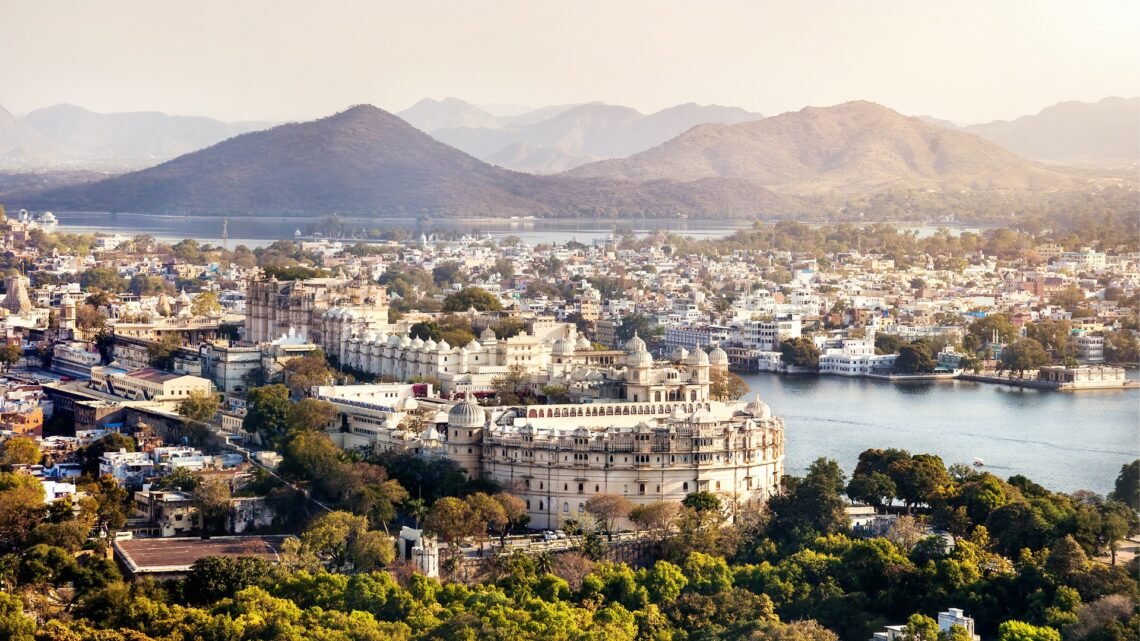
Udaipur is renowned worldwide for its majestic palaces, shimmering lakes, and centuries-old architecture. Yet, anyone planning group travel often faces a practical dilemma regarding city transit: can large commercial vehicles manage the city’s diverse and sometimes confined road network? When organizing a family holiday, corporate retreat, or destination wedding, knowing how larger passenger vehicles fare on these historic routes is vital for a smooth journey.
Understanding Udaipur’s Road Architecture
Udaipur presents two distinct urban layouts. On one hand, modern zones such as Sukhadia Circle, Fatehpura, Panchwati, and the broad avenues flanking Fateh Sagar Lake feature wide, paved corridors designed for high volumes of traffic. These sectors readily accommodate large passenger vans, tourist coaches, and standard buses without turning constraints or parking bottlenecks.
On the other hand, the walled Old City—encompassing heritage districts like Jagdish Chowk, Lal Ghat, Gangaur Ghat, and Chandpole—features centuries-old medieval design. These alleyways were originally engineered for foot traffic, horses, and royal processions, not multi-axle automobiles. As a result, navigating these sectors requires practical route planning and seasoned driving expertise.
How Tempo Travellers Perform Across Different City Zones
Navigating Udaipur successfully in a multi-seater vehicle depends entirely on where you travel and how the route is executed.
Major arterial roads connecting key landmarks handle tempo travellers effortlessly. Routes linking Maharana Pratap Airport (Dabok), the Udaipur City Railway Station, and central luxury resorts provide ample clearance. Similarly, wider circuits leading to Saheliyon-ki-Bari, Shilpgram, Sajjangarh Monsoon Palace foothills, and the scenic perimeters of Lake Pichola support steady transit without hindrance.
In contrast, the inner core of the Old City imposes physical limits. Tight curves, low-hanging merchant awnings, and dense pedestrian traffic make driving an oversized vehicle directly to the doorstep of certain interior havelis impractical. Local civic authorities also enforce regulated vehicle entry hours and designated parking bans near crowded markets such as Bada Bazaar and Ghantaghar to mitigate gridlock.
Strategic Logistics for Smooth Group Transit
Professional operators manage these architectural limitations through designated drop-off points and peripheral transit staging.
Experienced drivers park near wide outer gates or accessible municipal parking plazas, including Dudh Talai, Gulab Bagh, or designated lots near the City Palace main gates. From these accessible staging points, passengers can either walk the short remaining distance through scenic market passages or take local electric rickshaws for last-mile transfers directly to interior lakeside ghats.
This logistical approach provides the best balance: passengers travel between major landmarks in air-conditioned comfort, avoiding the fragmentation, elevated expense, and coordination headaches of booking several small hatchbacks.
Professional Navigation and Fleet Considerations
Vehicle configuration plays an essential role in how comfortably a trip unfolds. Standard 9-seater to 12-seater models feature a compact turning radius, making them remarkably agile across semi-congested junctions and lakeside boulevards. Larger 16-seater or 20-seater variants, while slightly wider, excel across the city’s broader highways, intercity connectors, and event transport routes.
Equally important is driver familiarity. Navigating Udaipur requires an intimate understanding of local traffic rhythms, daily school zones, market rush hours, and road slopes around heritage monuments. When you hire udaipur tempo traveller services with verified local chauffeurs, you avoid getting trapped in blind alleys, steep inclines, or congested shopping avenues.
Maximizing Comfort for Comprehensive Sightseeing
A well-orchestrated itinerary avoids peak congestion windows and groups destinations logically by sector. Morning departures allow travelers to reach major monuments like City Palace before market stalls set up outdoor displays, ensuring open driving corridors and effortless drop-offs. Afternoon segments can shift toward expansive lakeside promenades, botanical gardens, and hillside views where roads remain consistently wide.
Booking a planned Udaipur sightseeing tour eliminates transit friction by aligning destination timing with real-time street access. The fleet driver manages parking regulations, vehicle security, and luggage custody while your group focuses entirely on enjoying Rajasthan’s heritage.
Final Verdict
Tempo travellers can handle Udaipur’s streets effectively, provided they are managed with practical route awareness and local road expertise. While inner heritage alleys demand peripheral drop-offs and short strolls, the rest of the city’s expansive scenic drives, royal attractions, and suburban routes are suited for larger passenger vehicles. With the right vehicle size and skilled route handling, group travel across the City of Lakes remains both comfortable and reliable.