India is home to more than seventy percent of the world’s wild tiger population, spread across dozens of dedicated reserves. Yet, among all wildlife sanctuaries across the subcontinent, Ranthambore National Park in Rajasthan consistently dominates global safari itineraries and wildlife documentaries. Located at the junction of the ancient Aravalli and Vindhya hill ranges in Sawai Madhopur, this former royal hunting ground has earned an unmatched international reputation for big cat sightings. Understanding why Ranthambore holds this premier status requires examining its distinctive topography, rich conservation history, forest management, and the overall wilderness experience it offers to travelers.
The Unique Landscape of Ranthambore
Unlike the dense, evergreen canopies of South India or the tall elephant grass of the Terai region, Ranthambore is characterized by tropical dry deciduous forests, open grasslands, rugged cliffs, and serene lakes. Dominated by the hardy dhok tree (Anogeissus pendula), the terrain sheds much of its foliage as summer approaches.
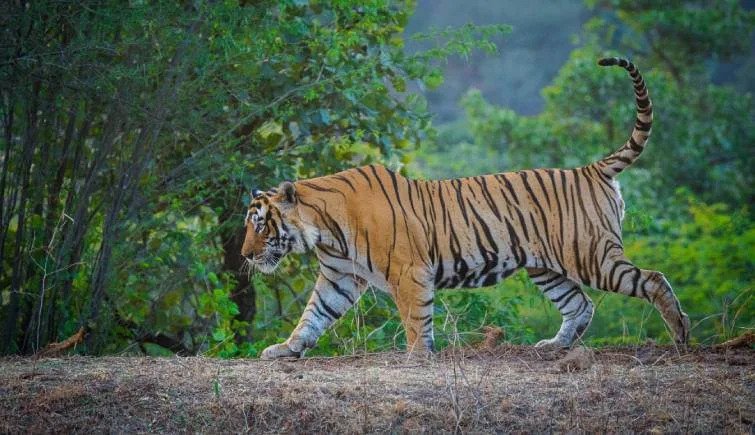
This open vegetation drastically enhances visibility for wildlife enthusiasts. Royal Bengal Tigers are apex predators that rely on stealth and camouflage, making them difficult to spot in dense rainforests. In Ranthambore, the dry scrub and broad valleys allow visitors to track movement across substantial distances, particularly around major water bodies like Padam Talao, Rajbagh Lake, and Malik Talao.
Diurnal Tiger Behavior and Heritage Backdrops
One of the defining aspects of Ranthambore’s big cats is their well-documented diurnal activity. Historically, tigresses like the legendary Machli (T-16) and her lineage grew accustomed to non-intrusive safari vehicles, often hunting, resting, and raising cubs in broad daylight. This behavioral habituation has passed down through generations, making daytime sightings far more frequent here than in many other reserves across Asia.
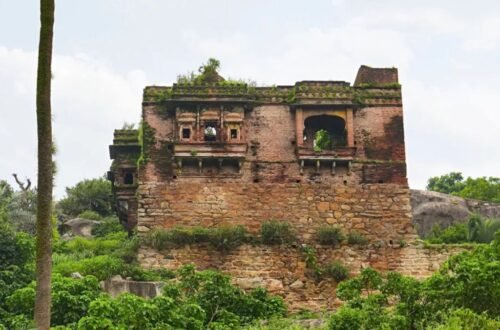
Adding to the visual grandeur is the park’s historical heritage. The 10th-century UNESCO World Heritage Ranthambore Fort looms over the reserve, while ancient stone ruins, cenotaphs (chhatris), and crumbling arches are scattered across the forest floor. Observing a wild tiger lounging atop an ancient stone structure creates an evocative tableau found nowhere else on earth.
Navigating the Safari Zones
Ranthambore National Park is divided into ten distinct tourism zones to balance conservation mandates with sustainable tourism. Zones 1 through 5 represent the historic core areas, celebrated for their picturesque lakes and reliable predator movement. Zones 6 through 10 encompass scenic hilly terrain, deep gorges, and plateau forests that host flourishing tiger territories, leopards, striped hyenas, and sloth bears.
Safaris are operated twice daily—early morning and late afternoon—under the strict supervision of the Rajasthan Forest Department. Visitors can choose between open-top six-seater gypsies and larger twenty-seater vehicles. Booking a canter safari in Ranthambore is widely considered an economical, elevated, and comfortable option for families and groups seeking expansive vantage points over high scrub.
Biodiversity Beyond the Apex Predator
While the Royal Bengal Tiger is the primary draw, Ranthambore sustains a thriving ecosystem that enriches every game drive. The park provides sanctuary to a wide range of flora and fauna, including:
- Indian leopards, which frequent the rocky perches and peripheral zones
- Sloth bears foraging for termite mounds and forest fruits
- Marsh crocodiles basking along the banks of Padam Talao and Jhalra
- Large herds of spotted deer (chital), sambar deer, nilgai, and wild boars
- Over 300 species of resident and migratory birds, including crested serpent eagles, painted storks, and kingfishers
The presence of abundant prey species and reliable water catchment systems ensures high ecological carrying capacity, keeping predator populations healthy and active throughout the year.
Planning an Unforgettable Wildlife Journey
To maximize sighting opportunities and enjoy a seamless expedition, timing and local logistical expertise are paramount. The park remains open for tourism from October 1st to June 30th each year, with the dry summer months of March to June yielding the highest frequency of sightings around diminishing waterholes. Conversely, the post-monsoon winter months offer pleasant weather and lush, photogenic landscapes.
Planning in advance allows travelers to secure their preferred safari zones and reserve comfortable accommodations close to the park gates. Selecting the best Ranthambore tour packages ensures all permits, transfers, and guided game drives are handled methodically by seasoned wilderness professionals. After exhilarating dust-filled tracking sessions across the jungle tracks, unwinding at a luxury resort in Ranthambore provides the ideal blend of serene hospitality, authentic Rajasthani cuisine, and peaceful natural surroundings.
Ranthambore stands as a global benchmark for wild tiger safaris because it brings together high predator density, open visibility, historical architecture, and accessible safari infrastructure. For anyone seeking an authentic encounter with the Royal Bengal Tiger in its natural habitat, Ranthambore remains genuinely unrivaled.