The royal heritage of Jodhpur, marked by the soaring Mehrangarh Fort and vibrant blue alleys, offers one of Rajasthan’s most iconic cultural experiences. However, just a short drive south lies a dramatic landscape that feels worlds away. Jawai, renowned globally for its thriving wild leopard population and ancient granite formations, presents a rare wildlife encounter. Converting a Jodhpur itinerary into an eco-adventure by adding a wilderness retreat is seamless, provided you understand the route, wildlife dynamics, and ideal stay logistics.
Moving from Jodhpur to the Jawai Wilderness
Situated approximately 150 kilometers south of Jodhpur, Jawai is easily accessible via national highways NH62 and NH25. The drive takes between three to three-and-a-half hours through rural Pali district, making it a comfortable journey by private taxi or rental vehicle. Alternatively, regular train services connect Jodhpur Junction to nearby railheads such as Falna or Jawai Bandh station, where local resort transfers can be pre-arranged.
This journey transitions visitors from structured city monuments to open, rugged terrain. Unlike national parks restricted by strict gates and designated grid lines, Jawai’s landscape features open granite inselbergs, dry riverbeds, and acacia scrublands. Here, wildlife and human culture exist in balance.
What Makes the Leopard Sightings in Jawai Extraordinary
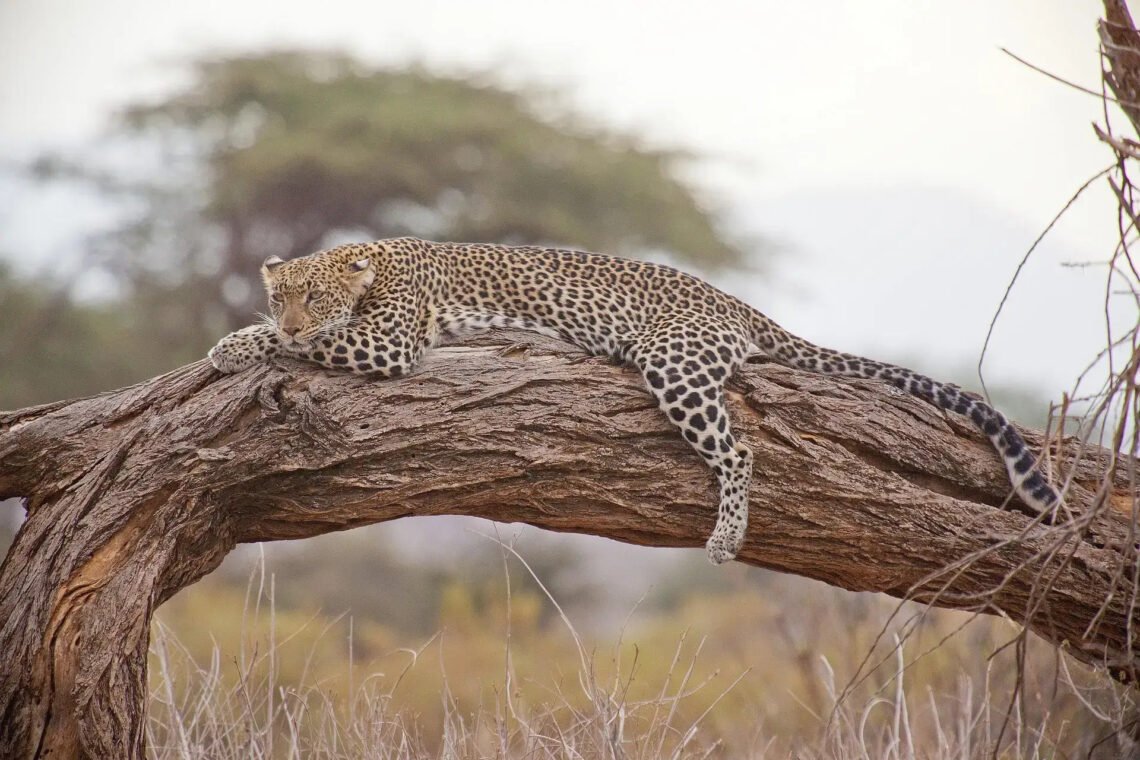
The granite hills around Jawai have served as natural caves and denning sites for big cats for centuries. What sets this region apart globally is the peaceful coexistence between the local Rabari pastoralist community and the wild leopards. The Rabaris treat the cats with deep cultural reverence, resulting in a sanctuary where animals display minimal fear toward human presence.
Taking a Jawai leopard safari in open 4×4 custom jeeps allows travelers to explore these rocky hills alongside experienced trackers. Because there are no boundary walls, trackers rely on visual cues, territorial knowledge, and alarm calls from wild peacocks and langurs. The sighting success rate here frequently exceeds 90%, particularly during dusk and dawn drives when leopards emerge from deep cave fissures to bask on sun-warmed granite boulders.
Beyond big cats, the ecosystem supports a rich diversity of fauna. The massive Jawai Dam reservoir acts as a lifeline for the region, hosting hundreds of resident mugger crocodiles as well as migratory waterbirds such as flamingos, bar-headed geese, and demoiselle cranes during winter.
Choosing the Right Accommodation Near Jawai Dam
Where you base yourself significantly impacts your overall wildlife experience. Selecting a comfortable stay near Jawai dam puts you at the geographical center of both aquatic birdlife and granite leopard territories. Proximity to the dam ensures minimal transit time before early morning safaris, giving you immediate access to golden-hour light over the water and hills.
For travelers seeking a refined balance of comfort, scenic views, and local expertise, booking a premium resort in Jawai elevates the entire trip. The Jawai Sagar offers an authentic perspective on local hospitality, combining spacious accommodations overlooking hill vistas with curated wildlife drives led by naturalists. Enjoying regional Marwari cuisine on outdoor decks after a successful evening safari adds a sense of warmth to the rugged wilderness.
Best Time to Visit and Safari Logistics
Planning the timing of your trip ensures optimum weather and wildlife activity.
- October to March: This is the peak season, offering pleasant day temperatures (12°C to 28°C) and crisp evenings. It is the best period for birdwatching due to incoming migratory flocks at the dam.
- April to June: Though summer temperatures rise, foliage thins and water sources shrink. This concentrates wildlife movement around key water points, yielding remarkable leopard visibility for wildlife photographers.
- July to September: The monsoon turns the granite landscape vibrant green. While rain can alter daily safari schedules, the lush scenery provides a fresh perspective on Rajasthan’s countryside.
Safaris are operated twice daily—early morning (starting around 5:30 AM) and late afternoon (starting around 3:30 PM). Morning drives are ideal for spotting leopards returning from night hunts, while afternoon drives capture the cats against sunset backdrops.
Traveler Guidelines for an Ethical Safari
To preserve the delicate human-wildlife balance that defines Jawai, visitors should adhere to essential field ethics:
- Wear earth-toned clothing like khaki, beige, or olive green to blend into the dry scrubland.
- Remain inside the safari jeep at all times unless advised by your guide in designated safe spots.
- Avoid flash photography or loud noises that could disturb animals or local livestock.
- Carry a telephoto lens (200mm to 500mm) for crisp wildlife photography without intruding on the animals’ personal space.
Combining the historical grandeur of Jodhpur with a wilderness journey to Jawai delivers a complete Rajasthani journey. With thoughtful planning, ethical safari practices, and a well-located base, your encounter with the wild big cats of the granite hills will remain an unforgettable highlight.