Ranthambore National Park undergoes a dramatic metamorphosis when the annual monsoon arrives between July and September. The arid, dusty scrublands of eastern Rajasthan transform into lush, emerald-green landscapes framed by the ancient Aravalli and Vindhya ranges. While many travelers assume wildlife destinations shut down completely during the rainy season, a monsoon getaway to Ranthambore offers a peaceful, scenic, and uniquely intimate wilderness experience.
Understanding what to expect regarding safari availability, weather patterns, and sightseeing opportunities ensures a seamless journey into the heart of the wild.
Safari Operations: Which Zones Remain Open?
A common misconception is that the entire tiger reserve closes during the monsoon months. In reality, the forest department follows a structured conservation protocol:
- Core Zones (Zones 1 to 5): These central zones remain closed to tourists from July 1 to September 30 to facilitate undisturbed breeding seasons for wildlife and to allow fragile forest tracks to recover from heavy rainfall.
- Buffer Zones (Zones 6 to 10): These outer safari zones remain fully operational throughout the monsoon, subject to daily weather and road conditions.
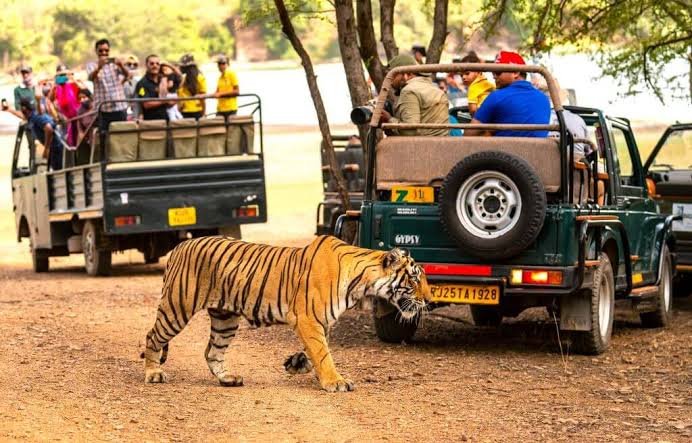
Zones 6 through 10 feature rugged hills, seasonal streams, scenic water reservoirs, and rich biodiversity. While dense foliage makes big cat tracking more challenging than in the dry summer months, wildlife enthusiasts frequently spot leopards, sloth bears, striped hyenas, sambar deer, spotted deer, and diverse bird species. Jungle safaris during this period run in two regular shifts—morning and late afternoon—via open-top gypsies and canters.
The Weather and Landscape Dynamics
The monsoon brings significant relief from the scorching summer heat. Daytime temperatures typically range between 26°C and 34°C, accompanied by refreshing breezes and overcast skies. Rainfall in Sawai Madhopur generally arrives in intermittent showers rather than relentless downpours, leaving the air crisp and fragrant with wet earth.
Streams and seasonal waterfalls, such as those near the Amreshwar Mahadev shrine, spring to life. Natural water bodies like Surwal Lake and Mansarovar Lake fill up, attracting resident and migratory wetland birds. For landscape photographers and nature lovers, the dramatic interplay of misty skies, rocky cliffs, and verdant canopies creates breathtaking visual compositions found at no other time of year.
Beyond Safaris: Heritage and Cultural Sightseeing
Monsoon travel in Ranthambore is not limited to jungle tracks. The season is ideal for exploring the rich historical and spiritual heritage of the region without facing scorching sun or peak-season tourist crowds.
Ranthambore Fort
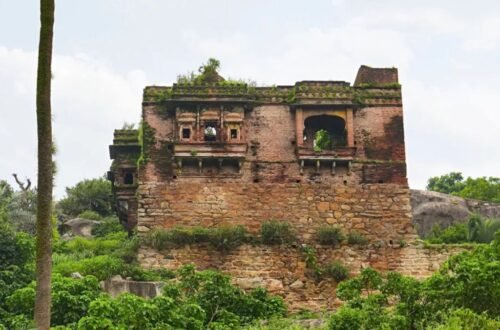
Perched atop a 700-foot hill inside the reserve, this UNESCO World Heritage Site offers panoramic views of the verdant forest and surrounding lakes. Walking through its ancient stone gateways, cenotaphs, and stepwells amidst monsoon clouds provides a remarkable historical perspective.
Trinetra Ganesha Temple
Situated within the walls of Ranthambore Fort, this centuries-old shrine is a major pilgrimage destination. The festive atmosphere around the annual Ganesh Chaturthi celebrations in August or September adds a vibrant cultural dimension to your visit.
Local Village Tours and Nature Walks
The surrounding countryside comes alive with farming activities and blooming flora. Strolling through nearby villages or booking guided nature trails around the periphery of the park allows travelers to experience authentic Rajasthani rural culture up close.
Selecting the Right Accommodation
Because safari activity is concentrated in the buffer zones and weather can occasionally alter plans, choosing a comfortable and well-equipped stay is vital. When researching the best resorts in Ranthambore, look for properties that combine authentic heritage charm with modern amenities, expansive gardens, indoor dining, and dedicated safari assistance.
For travelers seeking a romantic or rejuvenating escape amidst nature, opting for a curated 2N 3D Couple Package Ranthambore provides a balanced itinerary covering safari bookings, guided cultural excursions, comfortable stays, and quiet evenings surrounded by nature. Ranthambore Tiger Resort offers tailored hospitality designed to let you unwind while experiencing the forest at its most tranquil.
Practical Packing and Travel Tips
To make the most of your monsoon journey to Ranthambore, keep the following practical guidelines in mind:
- Pack Weather-Appropriate Clothing: Bring quick-drying, breathable cotton fabrics in earthy tones like olive green, beige, and khaki. Avoid bright colors inside the park.
- Waterproof Gear: Carry sturdy rain ponchos, waterproof covers for camera gear, and zip-lock pouches for mobile phones and identity documents during safaris.
- Footwear: Pack closed-toe hiking shoes or sports shoes with reliable grip, as forest tracks and fort paths can become slippery when damp.
- Insect Repellent and Sunscreen: Humidity can bring out mosquitoes and insects, making skin protection essential during morning and evening drives.
- Flexible Mindset: Heavy downpours can occasionally lead to temporary safari delays mandated by forest authorities for passenger safety. Embrace the unhurried pace of the season.
A monsoon visit to Ranthambore unveils a serene, poetic side of Rajasthan that high-season tourists rarely witness. With lush landscapes, fewer crowds, active buffer zones, and rich heritage sites, it stands as one of the most rewarding seasonal wilderness getaways in India.