Standing on the battlements of Mehrangarh Fort as the morning sun illuminates a sea of indigo houses below is an experience that stays with you forever. Known as the Sun City and the Blue City, Jodhpur is a vibrant tapestry of Marwar history, architectural grandiosity, and bustling bazaar culture. Whether you are a history enthusiast, photography lover, or casual traveler, spending a weekend in Jodhpur offers the perfect blend of royal heritage and local charm.
To help you maximize a short trip, this comprehensive two-day itinerary combines famous landmarks, hidden stepwells, authentic street food spots, and prime sunset viewpoints. Working with a trusted tour operator in Rajasthan can help tailor transport and local guides so you can spend less time navigating and more time taking in the sights.
Day 1: Fortresses, Cenotaphs, and the Historic Blue Heart
Morning: Mehrangarh Fort & Jaswant Thada
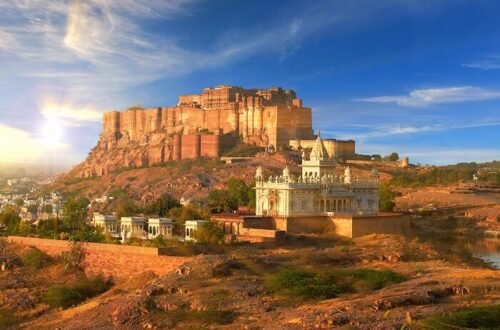
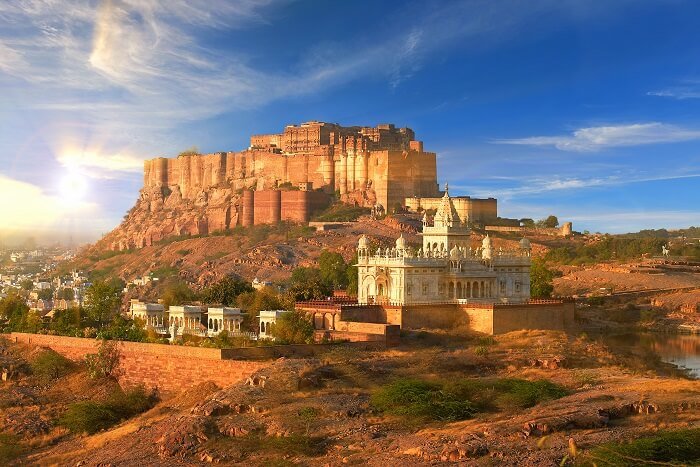
Begin your first day early at 9:00 AM at Mehrangarh Fort, one of the largest and best-preserved fortresses in India. Perched on a 125-meter-high cliff, the fort overlooks the entire expanse of Jodhpur. As you enter through Jai Pol, take time to appreciate the sheer scale of the sandstone walls bearing cannonball marks from historical battles. Inside, explore ornate palace chambers like Moti Mahal (Pearl Hall), Phool Mahal (Flower Hall), and Sheesh Mahal (Mirror Hall). The fort museum houses an extraordinary collection of royal palanquins, howdahs, miniature paintings, and armaments. Plan to spend at least two to three hours here.
A five-minute walk down from the fort leads to Jaswant Thada, a royal marble cenotaph built in 1899 in memory of Maharaja Jaswant Singh II. Often referred to as the “Taj Mahal of Marwar,” its thin marble sheets emit a soft warm glow when sunlight passes through them. The surrounding carved gazebos, tiered gardens, and small lake offer a tranquil atmosphere after exploring the fort.
Afternoon: Toorji Ka Jhalra & Navchokiya Blue Streets
Head down into the old city for lunch at a café overlooking Toorji Ka Jhalra. Built in the 1740s, this rose-red sandstone stepwell lay submerged for decades before being restored. Its intricate geometrical stairs and carved water spouts make it an architectural masterpiece.
After relaxing by the stepwell, wander through the nearby alleys of Navchokiya. This area is where you will find the highest concentration of traditional blue-painted houses. The indigo dye was historically used by Brahmins to indicate their status and cool their homes, creating the signature look Jodhpur is known for today.
Evening: Sunset at Pachetia Hill & Ghanta Ghar
As late afternoon approaches, make your way up Pachetia Hill. Tucked behind the old quarters, this elevated rocky outcrop offers a 360-degree view of the city as golden hour turns the blue rooftops into a glowing palette.
End your day at Sardar Market surrounding Ghanta Ghar (the iconic Clock Tower). The market comes alive in the evening with vendors selling textiles, leather goods, brassware, and aromatic spices. Treat yourself to a glass of famous Makhaniya Lassi at Shri Mishrilal Hotel or piping hot Pyaaz Kachori from local street vendors before heading to a rooftop restaurant for dinner with direct views of the illuminated fort.
Day 2: Royal Living, Heritage Gardens, and Cultural Treasures
Morning: Umaid Bhawan Palace & Museum
Start your second morning at Umaid Bhawan Palace, one of the world’s largest private residences. Built between 1929 and 1943 using golden-yellow Chittar sandstone, the palace blends Art Deco and traditional Indo-Saracenic design styles. While part of the structure operates as a luxury hotel and another serves as the residence of the former royal family, a dedicated section is open to the public as a museum.
The museum displays royal clocks, vintage furniture, fine china, and historical photographs detailing the palace’s construction during a major famine relief effort. On the lawns, visitors can view the royal family’s private collection of vintage automobiles, including classic Rolls-Royces and Cadillacs. If you prefer a seamless, structured experience covering all these locations with expert commentary, booking a dedicated Jodhpur sightseeing tour ensures efficient transport and insider perspectives.
Afternoon: Mandore Gardens & Rao Jodha Desert Rock Park
Drive 9 kilometers north of the main city center to visit Mandore Gardens, the ancient capital of Marwar prior to the founding of Jodhpur. Unlike typical cenotaphs built on raised platforms, Mandore’s royal chhatris resemble detailed Hindu temples constructed from dark red sandstone. Surrounding the monuments are lush gardens, natural rock formations, and peaceful ruins.
In the late afternoon, return toward the city center to visit Rao Jodha Desert Rock Park, situated at the base of Mehrangarh Fort. Spanning 70 hectares of restored desert ecology, the park features walking trails carved through volcanic rock faces, native Thar flora, and quiet viewpoints.
Evening: Farewell Dinner and Artisanal Shopping
Conclude your weekend by exploring local handicraft stores specializing in hand-block printed fabrics, embroidered Mojris (traditional footwear), and silver jewelry. If you plan to extend your travels across the Thar region or explore neighboring cities like Udaipur and Jaisalmer, enrolling in a broader Rajasthan heritage tour provides a complete cultural journey across Marwar and Mewar estates. Finish your Jodhpur weekend with a traditional Rajasthani Thali featuring Ker Sangri, Gatte Ki Sabzi, and Dal Baati Churma.
Essential Practical Tips for Your Jodhpur Weekend
- Best Time to Visit: October to March offers pleasant daytime weather ideal for outdoor walking tours and sightseeing.
- Local Logistics: Auto-rickshaws are best for navigating the narrow lanes of the old city, while taxis work well for visiting Umaid Bhawan Palace and Mandore Gardens.
- Dress Code: Wear comfortable walking shoes for cobbled paths and staircases, and dress respectfully when visiting active temples.