Tucked away between the historic citadels of Jodhpur and Udaipur lies an untamed stretch of southwestern Rajasthan defined by towering granite kopjes, vast scrub forests, and the life-giving backwaters of the Jawai Bandh. While central India’s dense teak forests are celebrated for tiger sightings, Jawai offers a dramatically different wildlife encounter. Here, wilderness and heritage do not exist behind artificial barricades. Instead, ancient rock formations serve as the shared backyard of apex predators and pastoral shepherds. Choosing a stay at The Jawai Sagar places travelers directly at the center of this surreal ecosystem, where morning safari tracks meet evening fireside folklore.
The Geological Wonder of Granite Hills and Open Scrubland
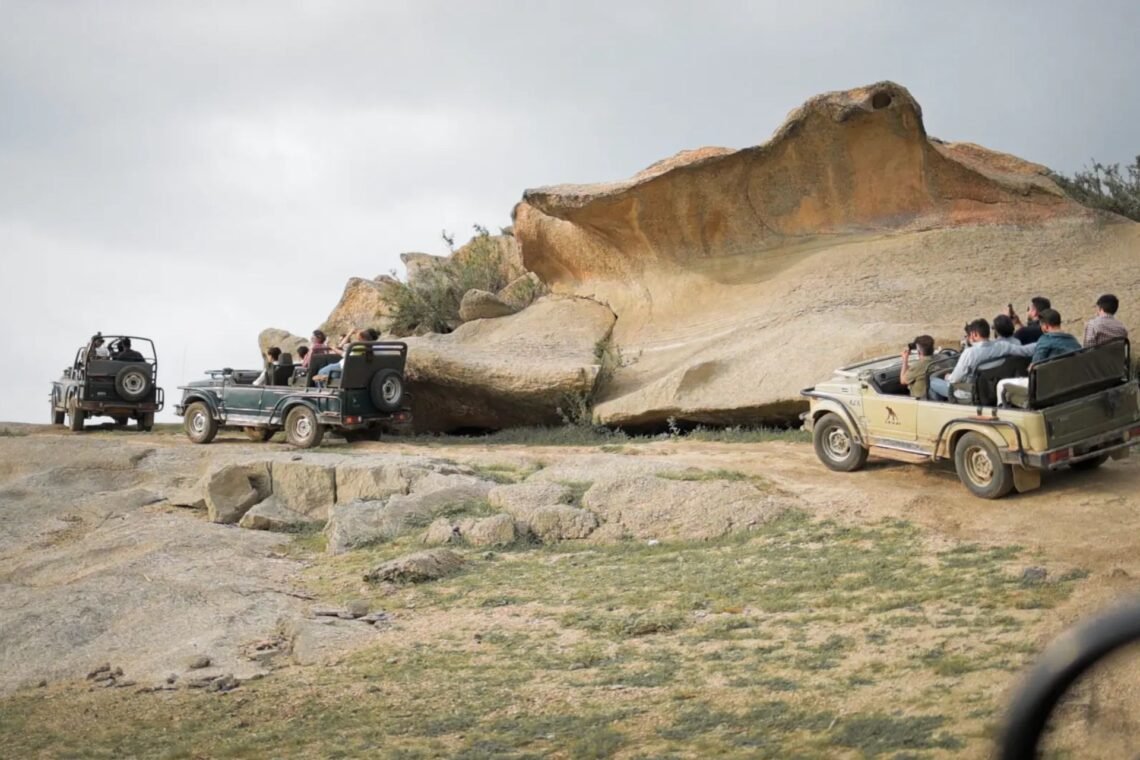
The visual identity of Jawai is rooted in its billion-year-old volcanic granite boulders. Unlike the dense canopies of traditional national parks where visibility is often reduced to a few yards, Jawai features an open, rolling topography of weathered monoliths and sparse thorn scrub. These massive granite caves provide natural shelters where wild leopards sleep through midday heat and emerge onto sun-warmed rocks as dusk approaches.
This open terrain translates into exceptional safari vantage points. Visitors in customized 4×4 safari vehicles can observe wildlife from respectful distances across valley floors without disturbing the animals’ natural movements. The lack of underbrush makes tracking distinct and rewarding, allowing naturalist guides to read pugmarks left on sandy riverbeds and determine the resident cats’ whereabouts with incredible accuracy.
A Thriving Haven for Wild Leopards and Wetland Biodiversity
Jawai supports one of the highest densities of leopards in the world living outside a strictly demarcated national sanctuary. Decades of habitat stability and a steady prey base of nilgai, peacocks, wild boar, and Indian gazelles have allowed generations of big cats to treat these rocky hills as safe havens.
The wildlife narrative extends well beyond feline territory. The seasonal backwaters created by the Jawai Dam transform the arid Pali landscape into a vibrant aquatic sanctuary. Mugger crocodiles gather in high numbers along the sandy banks to bask in the morning sun. Throughout the winter months, migratory bird flocks arrive in thousands from northern latitudes. Birdwatchers frequently spot graceful sarus cranes, bar-headed geese, glossy ibises, and imperial eagles circling the open skies above the reservoir. Staying at a dedicated Jawai safari resort ensures guests have direct, timely access to these shores during peak bird activity and crocodile basking hours.
The Sacred Coexistence with the Rabari Tribe
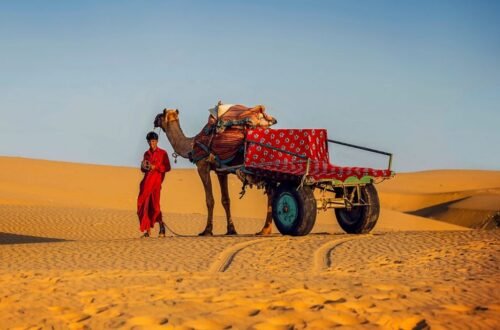
What truly distinguishes Jawai from any other wildlife destination on earth is its unbroken cultural harmony. For centuries, the region has been inhabited by the Rabari community, a nomadic pastoralist tribe recognizable by their vibrant red turbans, white dhotis, and intricately embroidered attire.
The Rabari people share an intimate spiritual bond with their surroundings, viewing the local wildlife not as pests or threats, but as sacred companions belonging to their folk deities. Even when cattle fall prey to foraging cats in the pastures, the community responds with cultural reverence rather than retaliation. Shepherds walk their herds across the base of leopard hills each evening with steady calm. Engaging in curated Jawai leopard safari & experiences allows guests to meet community elders, walk through quiet hamlet trails, and understand firsthand how traditional belief systems can successfully safeguard apex predators.
Immersion in Timeless Rajasthani Hospitality
Experiencing the cultural side of Jawai also means stepping away from commercial tourist circuits to savor the quiet authenticity of rural Marwar. Local village walks introduce travelers to generations-old pottery techniques, hand-spun camel wool textiles, and quiet stone temples dedicated to ancestral deities.
Evenings in Jawai provide an opportunity to slow down. After an exhilarating afternoon tracking across steep granite inclines, travelers can sit under unpolluted night skies illuminated by thousands of visible stars. Communal dining around open fire pits brings forward traditional local flavors, from slow-cooked bajra rotis and smoky dal baati churma to spiced garlic chutneys prepared using heirloom stone grinders.
Thoughtful Exploration and Responsible Travel
Visiting Jawai demands a mindful approach to travel. Because the area is an open, community-managed wilderness rather than a fenced government reserve, preserving this delicate equilibrium requires responsible tourism practices.
- Travel with seasoned local drivers and trackers who understand animal behavior and prioritize the welfare of wildlife over close-quarter photo opportunities.
- Respect local customs when entering Rabari settlements by seeking permission before photographing residents or religious shrines.
- Keep noise and artificial lighting to an absolute minimum during night drives and rock climbs to avoid startling nocturnal fauna.
- Choose properties committed to eco-friendly water management, local employment, and the preservation of Jawai’s pristine granite wilderness.
Jawai is not simply a safari stop; it is an enduring living lesson in coexistence. Between the raw power of its granite-dwelling predators and the profound peace of its pastoral stewards, this desert corner offers an unforgettable blend of thrilling exploration and genuine cultural depth.