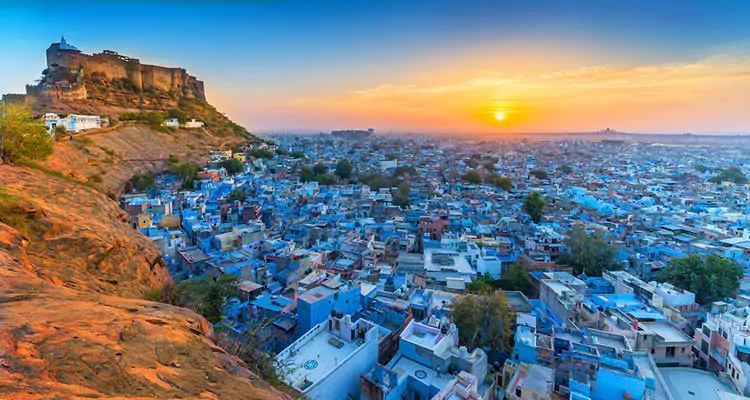
Jodhpur, famously celebrated as the “Sun City” and the “Blue City,” stands as one of Rajasthan’s most culturally vibrant and visually arresting destinations. Perched on the eastern edge of the Thar Desert, the city captures centuries of Marwar heritage through massive stone architecture, royal cenotaphs, serene stepwells, and narrow lanes painted in shades of indigo. For first-time travelers arriving in Marwar, planning an efficient route through the city’s key landmarks ensures an enriching experience without feeling overwhelmed by the bustling desert markets or midday heat.
Planning a trip through this historic city requires structured local insight to navigate peak visiting hours, ticketing requirements, and walking routes effectively. Partnering with an experienced travel agency in Rajasthan makes discovering hidden architectural gems and organizing seamless regional transport simple and stress-free.
Here is an in-depth guide to the essential sights, historical highlights, and practical visitor tips for your inaugural journey into Jodhpur.
Mehrangarh Fort: The Imposing Crown of Marwar
Rising 400 feet above the skyline atop a perpendicular cliff known as Bhakurcheeria, Mehrangarh Fort is unequivocally the crown jewel of Jodhpur. Founded in 1459 by Rao Jodha, the founder of the city, the citadel stands as one of the largest and best-preserved fort complexes in India. Its massive stone walls still bear the scars of cannonball hits from historic conflicts with the armies of Jaipur and Bikaner.
Inside the fort gates—such as the victory gate Jai Pol and the historic Fateh Pol—visitors encounter exceptionally preserved royal apartments, expansive courtyards, and palatial reception halls:
- Sheesh Mahal (Hall of Mirrors): Intricately layered with mirror mosaics, gold leaf work, and colorful plaster casts representing classical devotional art.
- Phool Mahal (Flower Hall): Constructed under Maharaja Abhai Singh in the 18th century, this private chamber features painted wooden ceilings, gold leaf decorations, and depictions of musical ragas.
- Moti Mahal (Pearl Hall): Featuring polished plaster walls that luster like genuine pearls, this chamber served as the primary coronation and council room.
- Fort Museum: One of India’s finest museum displays, housing royal palanquins (including the gold Mahadol litter), textiles, miniature paintings, decorative arms, and antique musical instruments.
For travelers looking to explore the fort alongside the rest of the city’s highlights in a single, well-paced circuit, opting for an organized Jodhpur full day tour ensures complete coverage of historical context, private museum transport, and scenic viewpoints without rushing.
Jaswant Thada: The Tranquil Marble Memorial
A short walk down the winding ridge from Mehrangarh Fort leads to Jaswant Thada, a royal cenotaph constructed in 1899 by Maharaja Sardar Singh in memory of his father, Maharaja Jaswant Singh II. Often described as the “Taj Mahal of Marwar,” this monument serves as the royal cremation ground for the Rathore rulers of Jodhpur.
The monument is built from pure, intricately carved white Makrana marble sheets that are polished so thin that sunlight filters through them, creating a gentle golden glow inside the inner sanctum. The surrounding landscape includes a tiered multi-level garden, carved marble gazebos, sculpted stone pillars, and a tranquil lake named Devkund. The peaceful setting provides a quiet contrast to the bustling bazaar streets below, making it an ideal spot for photography and quiet reflection.
Umaid Bhawan Palace: Art Deco Luxury and Living Heritage
Perched atop Chittar Hill, the highest point in Jodhpur, Umaid Bhawan Palace represents a unique chapter in Indian royal architecture. Commissioned by Maharaja Umaid Singh in 1929 and completed in 1943, the palace was conceived as a famine relief project designed to provide employment to thousands of local residents during prolonged droughts.
Designed by British architect Henry Vaughan Lanchester, the palace combines classical Beaux-Arts architecture with Indo-Saracenic and Art Deco influences, constructed out of golden-yellow Chittar sandstone without using mortar. Today, the complex is divided into three distinct zones: the private residence of the current titular Maharaja Gaj Singh II, a luxury palace hotel, and a dedicated heritage museum open to the public.
The museum preserves rare photographs of royal durbars, classical Art Deco clocks, vintage crockery, ornate stuffed wildlife displays, and an impressive collection of vintage cars housed in the royal garage outside.
Toorji Ka Jhalra: The Restored Stepwell Marvel
Located near the heart of the historic quarter, Toorji Ka Jhalra (Toorji’s Stepwell) represents the pinnacle of indigenous Marwar water management architecture. Built in the 1740s by Rani Toorji, the queen consort of Maharaja Abhai Singh, this deep geometric reservoir collected seasonal rainwater through natural groundwater replenishment.
Submerged and neglected for decades, recent conservation initiatives restored the stepwell to its former brilliance. The structure features hundreds of crisscrossing sandstone steps, detailed carvings of dancing elephants, medieval water spouts, and small shrines dedicated to regional deities. Today, the surrounding courtyard has transformed into a vibrant cultural hub filled with artisan cafes, boutique lifestyle stores, and heritage tea shops.
Exploring the Blue City Lanes and Ghanta Ghar
No first visit to Jodhpur is complete without walking through the vibrant old quarter surrounding the landmark Ghanta Ghar (Clock Tower) and Sardar Market. The winding lanes of Navchokiya and Brahmpuri showcase traditional houses painted in signature indigo and copper-sulfate hues, designed historically to repel heat and deter insects. The markets are packed with vibrant Marwari textiles, handwoven durries, leather footwear, and authentic street flavors like crisp pyaz kachori and traditional makhaniya lassi, offering visitors a timeless glimpse into everyday life in Rajasthan.