The historic city of Sawai Madhopur, nestled in the rugged landscape of southeastern Rajasthan, serves as the ultimate gateway to India’s most celebrated wildlife territories. Renowned globally for its dramatic terrain where the Aravali and Vindhya mountain ranges meet, this destination seamlessly blends regal history with raw wilderness. For travelers mapping out their journeys, understanding the top regional attractions ensures a comprehensive experience of both culture and nature.
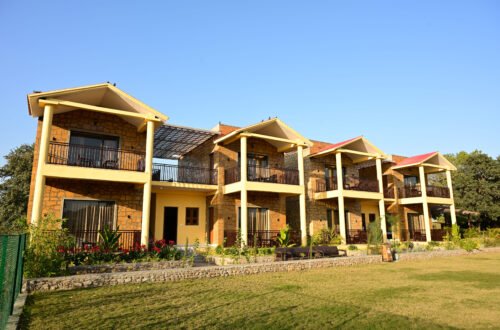
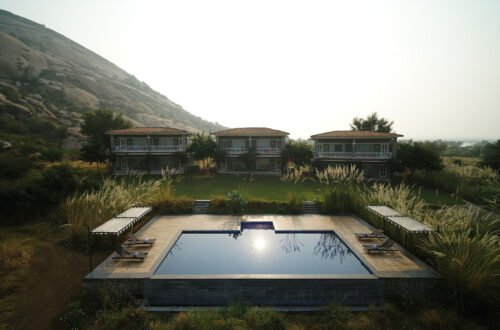
Planning a trip to this wilderness hub involves more than booking safaris. Selecting the right base camp can elevate your stay from a standard holiday to an immersive adventure. Finding an authentic, hospitable resort in ranthambore allows you to relax in comfort after long hours tracking wildlife or exploring ancient ruins.
1. Ranthambore National Park
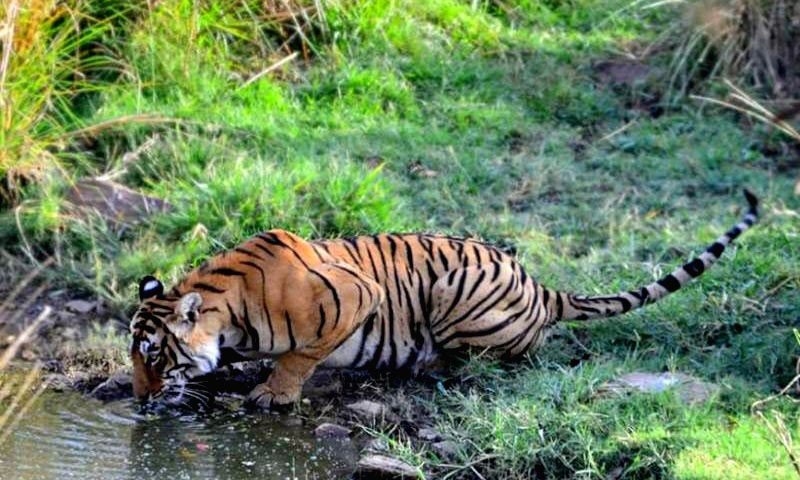
Ranthambore National Park stands as the primary attraction of the region. Once the private hunting grounds of the Maharajas of Jaipur, this vast reserve is globally celebrated for its thriving population of Royal Bengal Tigers. Spanning across dry deciduous forests, grassy meadows, and scenic lakes, the park offers one of the best opportunities in the world to observe these apex predators in their natural habitat.
Safaris are conducted in open-top gypsies and canters across designated eco-tourism zones. Beyond tigers, the park protects a diverse ecosystem containing leopards, striped hyenas, sloth bears, sambar deer, and hundreds of bird species. The deep communion with nature experienced during early morning or late afternoon drives forms the core memory for most visitors to the region.
2. Ranthambore Fort
Towering majestically over the national park, the UNESCO World Heritage-listed Ranthambore Fort is a monumental testament to medieval Rajput architecture. Constructed in the 10th century by the Chauhan dynasty, the fortress stands atop a high cliff, offering panoramic views of the entire sanctuary below. The massive stone walls, grand gateways, and ancient stepwells inside reflect centuries of historic battles and royal sagas.
Hiking up to the fort lets travelers explore historical ruins, ancient palaces, and cenotaphs that have been slowly reclaimed by the surrounding forest. Monkeys and birds frequently inhabit the stone structures, creating a unique intersection of history and wildlife. The fortress remains an architectural marvel that shouldn’t be missed by history enthusiasts.
3. Trinetra Ganesha Temple
Located inside the premises of the Ranthambore Fort, the Trinetra Ganesha Temple holds immense religious significance across India. This ancient temple houses a rare idol of Lord Ganesha depicted with three eyes (Trinetra). Millions of devotees send wedding invitations, letters, and prayers directly via post to this temple, seeking blessings for new beginnings.
The atmosphere at the temple is vibrant, filled with spiritual energy, traditional chants, and local folklore. Devotees and travelers walk up the stone pathways together, sharing space with the local langurs. Visiting this sacred site adds a profound cultural layer to any wildlife-focused holiday in the district.
4. Padam Talao and Jogi Mahal
Padam Talao is the largest lake within the national park, acting as a crucial watering hole for the resident wildlife. During the early mornings and late evenings, animals such as chital, sambar deer, and crocodiles can be spotted near the water’s edge. The lake is famously covered with beautiful water lilies during specific seasons, creating a picturesque setting against the dry forest backdrop.
Situated right on the edge of Padam Talao is the Jogi Mahal, a historic royal guesthouse. It features an exceptionally large banyan tree nearby, considered one of the largest in India. While entry inside the Mahal may be restricted depending on park regulations, viewing the striking red structure reflecting off the calm lake water remains a classic highlight of any safari drive.
5. Rajiv Gandhi Regional Museum of Natural Science
For those seeking to understand the delicate ecology of the region, the Rajiv Gandhi Regional Museum of Natural Science offers excellent educational value. As one of the few natural history museums in India, it features detailed exhibits on the country’s western flora, fauna, and geological history. The museum uses lifelike displays, interactive panels, and educational films to raise environmental awareness.
Visiting the museum provides valuable context before or after going on safaris. It helps travelers, especially families and students, appreciate the complex biodiversity of Rajasthan’s dry forests and the ongoing conservation efforts to protect endangered species like the Bengal tiger.
Traveler Tip: To truly experience the essence of the region, travelers should look beyond the forest gates and explore the local crafts, traditional pottery, and community-led conservation initiatives that sustain the local villages.
To help maximize your time across these historic landmarks and wilderness zones, executing a structured plan is highly recommended. Incorporating a well-crafted 2-Day Sawai Madhopur Itinerary allows you to balance morning safaris with afternoon heritage walks seamlessly. For a comprehensive list of outdoor activities, wildlife tracking tips, and cultural experiences, checking out a curated guide on the best things to do in Sawai Madhopur will ensure a memorable, well-organized journey into the heart of Rajasthan.