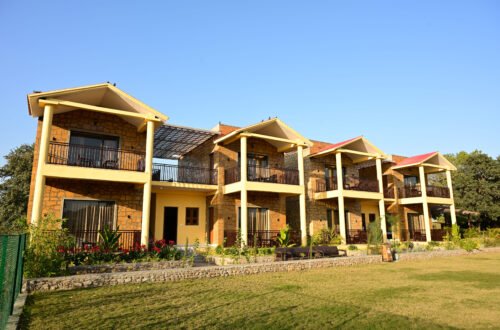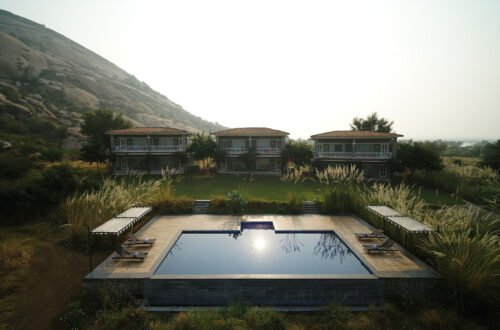
The rugged granite landscapes of western Rajasthan hide one of the most compelling wilderness stories on the planet. Unlike the dense forests of Central India, the region surrounding the Jawai Dam and the nearby village of Bera offers a dramatic terrain of billion-year-old rock formations, thorny scrub, and peaceful water bodies. It is a place where nature and human culture exist in complete harmony. If you are beginning to map out your itinerary for this spectacular wilderness, booking your stay at the best resort in Jawai ensures you have a comfortable, authentic base camp to return to after long days of exploration.
Track the Elusive Indian Leopard
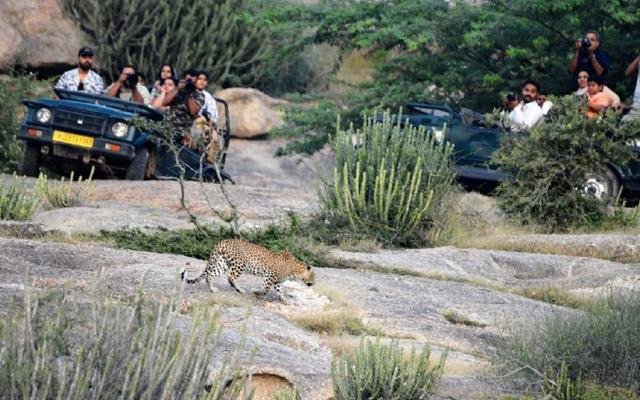
The primary draw for most travelers venturing to this terrain is the thriving population of wild leopards. What makes this destination truly unique from an experiential standpoint is how these apex predators live. Instead of dense undergrowth, they inhabit the open, hollow cavities of the massive granite hills.
Morning and evening tracking drives take you across steep rock faces in specialized open 4×4 vehicles. Local trackers possess an innate understanding of the terrain, reading alarm calls from langurs and tracking pugmarks across sandy riverbeds. Because the leopards here have coexisted with the local human population for generations, they exhibit a calm demeanor, often allowing travelers to observe them resting on sun-warmed rocks or leading their cubs across the ridges.
Discover the Unique Cultural Heritage of the Rabari Tribe
True authority and trust in a travel experience come from engaging deeply with the local culture. The Jawai region is the ancestral home of the Rabari people, a pastoral community easily recognized by their striking red turbans and traditional white attire. For centuries, the Rabaris have walked these hills with their herds of goats and sheep, frequently encountering the local wildlife without conflict.
Taking a guided walk through a traditional Rabari settlement allows you to see this unique relationship firsthand. Their deep-rooted spiritual beliefs consider the leopard to be a sacred guardian of their deities, creating a profound conservation story that relies entirely on mutual respect rather than physical fences or artificial barriers.
Explore Extensive Waterways and Avian Life
The massive Jawai Bandh is the lifeblood of this arid ecosystem. Built across the Jawai River, this expansive reservoir transforms the landscape into an oasis that attracts a vast array of migratory bird species, especially during the cooler winter months.
When mapping out the essential things to do in jawai, dedicated bird watching sessions along the banks of the reservoir should top your list. The waters provide a crucial habitat for large flocks of flamingos, sarus cranes, bar-headed geese, and demoiselle cranes. Beyond the avian diversity, the rocky shores of the dam are famously home to massive Indian rock crocodiles, which can regularly be seen basking under the sun along the water’s edge.
Tailor Your Adventure with Specialized Excursions
To truly experience everything this wilderness has to offer without stress, selecting comprehensive travel arrangements is key. Booking curated Jawai safari tour packages helps streamline your entire itinerary, combining wilderness drives, expert local guides, resort transfers, and specialized rural experiences into a seamless journey.
These structured packages ensure that your outings align perfectly with optimal wildlife sighting hours, while also opening doors to low-impact, sustainable tourism practices that directly support the local community trackers and naturalists who keep this ecosystem secure.
Experience the Magic of a Granite Hill Sunset
The geographical features of Bera and Jawai offer spectacular vantage points that are hard to match anywhere else in Rajasthan. As the sun begins to dip below the horizon, the ancient granite hills absorb the shifting light, turning vibrant shades of orange, pink, and deep purple.
Many tracking excursions conclude with a quiet stop on top of a high rock plateau. Standing in the open air, looking out over the winding tracks, village lights, and distant waters of the dam provides a moment of absolute stillness. It is the perfect opportunity to reflect on the raw, unchanged beauty of a landscape that has managed to remain wonderfully wild.